
Corsican Mint
Mentha requienii
Description
Growing requirements
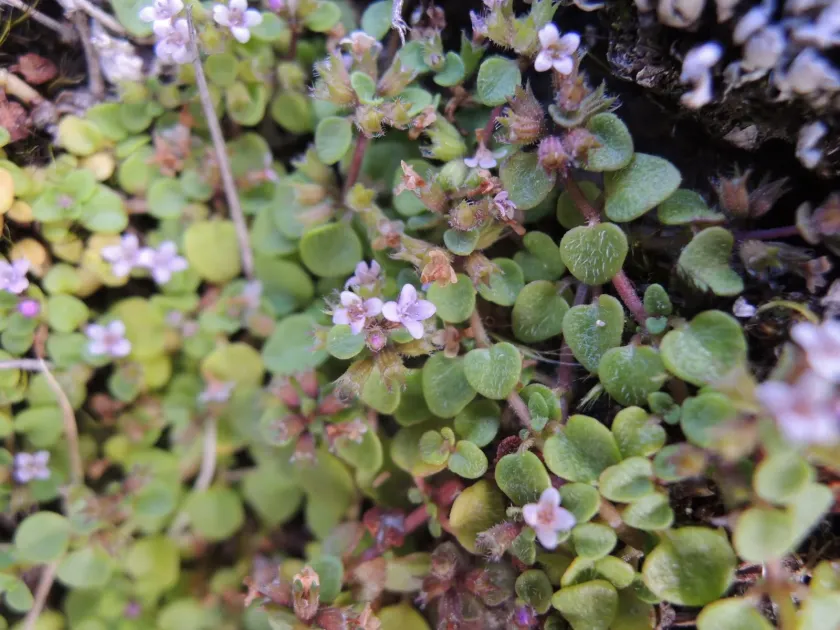
Corsican Mint (Mentha requienii) is a member of the Lamiaceae family, native to the islands of Corsica, Sardinia, and Montecristo. It is widely recognized as one of the smallest species within the Mentha genus, functioning as a delicate ground cover.
Botanically, this perennial plant features tiny, rounded leaves and creeping stems that root at the nodes. It spreads horizontally, creating a dense, fragrant carpet that releases a powerful peppermint scent when touched or walked upon.
The plant thrives in moist, well-drained soils rich in organic matter. It prefers cool, semi-shaded environments, avoiding intense afternoon sun which can scorch its leaves and dry out the sensitive root system too rapidly.
Agricultural requirements focus on maintaining consistent soil moisture. It is not drought-tolerant and requires frequent irrigation, especially during warmer months. In regions with harsh winters, it is typically grown as an annual or overwintered indoors.
Its primary economic use is in ornamental landscaping, particularly for filling gaps between paving stones or in shade-tolerant ground cover applications. It is also utilized in culinary settings to add a refreshing minty essence to various desserts and teas.
Main diseases and pests
The most significant threat to Corsican Mint is root rot, caused by waterlogged soil conditions. Poor drainage inhibits root respiration and encourages the proliferation of soil-borne pathogens that lead to rapid plant decline.
Powdery mildew is a common foliage disease that manifests in high-humidity conditions with insufficient airflow. This fungus appears as a white, powdery coating on the leaves, which can be managed by thinning the patches to improve ventilation.
While the strong essential oil content acts as a natural deterrent against many insects, spider mites can become an issue in dry, warm environments. These pests feed on plant sap, causing yellowing and a loss of the plant's characteristic vitality.
Effective management strategies involve regular inspections and the removal of dead foliage to maintain sanitary conditions. Avoiding overhead watering can also significantly reduce the risk of fungal infections on the leaves.
If chemical intervention becomes necessary for pest control, organic insecticidal soaps are preferred to preserve the culinary quality of the leaves. Maintaining a balance between soil moisture and air circulation is the key to minimizing disease pressure.