
Conradina canescens
Conradina canescens A. Gray
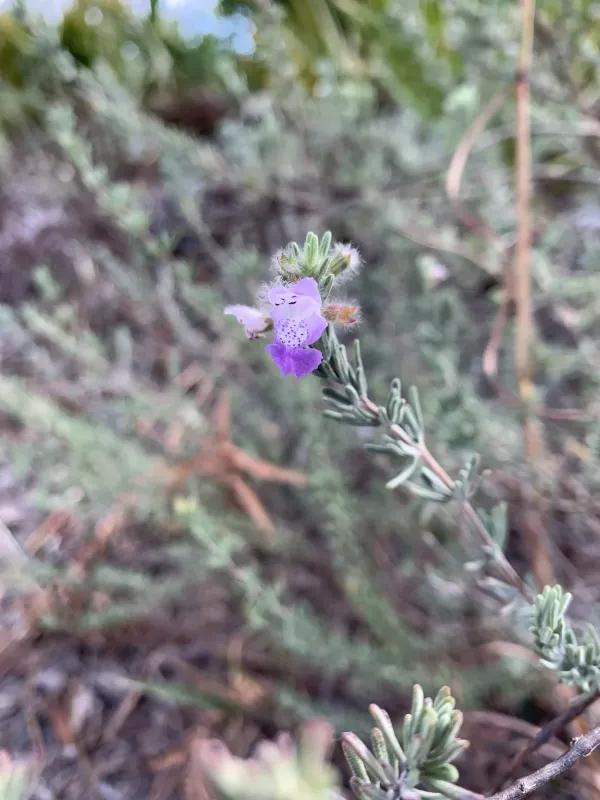
Description
Growing requirements
Conradina canescens, commonly known as false rosemary, is a woody perennial shrub belonging to the Lamiaceae family. It is native to the southeastern United States, where it thrives in sandy, well-draining habitats such as sandhills and coastal dunes.
The plant is characterized by its narrow, gray-green leaves covered in fine hairs, which provide a distinctive silver appearance. This foliage adaptation allows the shrub to reduce water loss through transpiration, making it exceptionally well-adapted to xeric environments.
For successful cultivation, Conradina requires full sun exposure and extremely well-draining, nutrient-poor sandy soil. It is vital to avoid heavy soils or sites prone to standing water, as the plant is highly susceptible to root decay under wet conditions.
In terms of climate, the plant exhibits significant heat and drought tolerance. It does not require frequent irrigation once established and prefers a low-fertility soil profile, which prevents excessive, weak vegetative growth.
This species is highly valued in xeriscaping and sustainable gardening. Its compact growth habit and evergreen nature make it an excellent choice for rock gardens, borders, and areas where maintenance requirements must be kept to a minimum.
Main diseases and pests
The primary threat to the health of Conradina canescens is overwatering and poor soil drainage. Excessive moisture in the root zone quickly leads to fungal infections and root rot, which are often fatal to the specimen.
While the plant is generally pest-resistant due to its aromatic oils, it can occasionally be affected by aphids or spider mites during periods of extreme environmental stress or drought.
In humid climates or poorly ventilated areas, fungal diseases such as powdery mildew can affect the foliage. Ensuring proper spacing between plants is essential to promote air circulation and reduce the risk of humidity-related pathogens.
Root rot is the most common cause of failure in domestic cultivation. If the soil stays damp for extended periods, the plant will show signs of wilting and yellowing leaves, followed by stem collapse.
Maintaining a clean garden bed by removing leaf litter and ensuring that the base of the plant remains dry are critical cultural practices for keeping the shrub healthy and vigorous throughout the seasons.