
Woolly Congea
Congea tomentosa
Description
Growing requirements
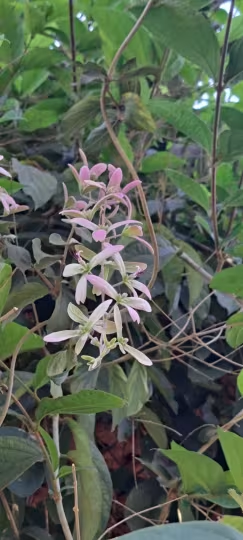
Woolly Congea (Congea tomentosa) is a robust evergreen vine belonging to the Lamiaceae family. It is widely recognized for its stunning, long-lasting bracts that surround the small, inconspicuous flowers, creating a vibrant display of color.
Originating from the tropical regions of Southeast Asia, this climbing shrub thrives in environments with high humidity and consistent warmth. It is often found in forest clearings where it can climb toward the sunlight.
For successful cultivation, the plant requires a spot that receives plenty of bright, indirect sunlight. While it appreciates warmth, it should be shielded from the harshest direct midday sun in extremely hot climates.
The ideal soil should be rich in organic matter and possess excellent drainage capabilities. Waterlogging is detrimental to this species, so ensuring that the growing medium is aerated is essential for long-term health.
Routine maintenance includes structural pruning after the flowering phase ends. This practice helps control the size of the vigorous vines and encourages the development of more lateral branches, resulting in a denser habit.
Main diseases and pests
The most common threat to Woolly Congea is root rot, which typically occurs due to poor drainage or excessive irrigation. Once the root system is compromised, the plant struggles to recover, making prevention through drainage control critical.
Pests such as mealybugs and spider mites are frequent invaders, especially when the plant is kept in indoor or greenhouse conditions with limited air circulation. These pests thrive in dry environments.
To combat infestations, regular inspections of the underside of leaves and stems are necessary. Using horticultural soaps or neem oil is often an effective strategy for managing early-stage pest problems without chemical stress.
Fungal leaf spots can also appear if the foliage remains wet for extended periods. It is advisable to water at the base of the plant rather than overhead to keep the leaves dry and healthy.
If the plant experiences severe stress due to cold drafts or inadequate nutrition, it may become susceptible to opportunistic pathogens. Maintaining a stable environment is the best defense against disease outbreaks.