
Velvet Congea
Congea velutina
Description
Growing requirements
Velvet Congea (Congea velutina) is a woody climbing vine belonging to the Lamiaceae family. It is native to the tropical regions of Southeast Asia, where it thrives in lush, humid environments.
This crop requires consistent tropical warmth to flourish, typically thriving in temperatures above 15 degrees Celsius. It is highly intolerant to cold, necessitating greenhouse cultivation in temperate climate zones.
Optimal growth is achieved in well-draining, nutrient-rich soils that maintain a steady moisture level. The plant needs a bright, sunny location to support its vigorous growth and abundant flowering.
Agronomic management involves regular irrigation and supplemental fertilization during the active growing season. Adequate support structures, such as trellises or wires, are required for the vine to climb effectively.
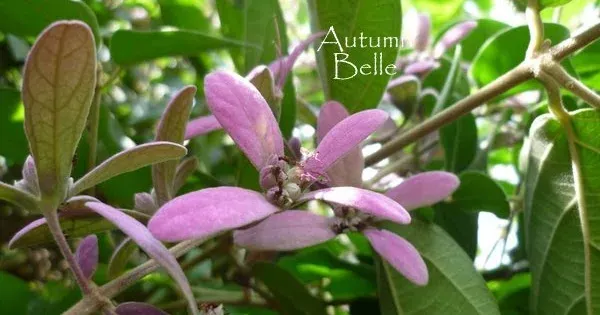
The plant is prized for its ornamental value, particularly its long-lasting, colorful bracts that cover the vine during the blooming phase, making it a popular choice for tropical landscape architecture.
Main diseases and pests
Common pests affecting Congea velutina include spider mites and mealybugs, which are particularly troublesome in the low-humidity environments often found in greenhouse settings.
Integrated pest management protocols, including manual removal of infested parts and the use of targeted acaricides or insecticides, are necessary to maintain crop health.
Root rot remains the most significant threat to the survival of the plant, often resulting from poor soil drainage or excessive irrigation practices during dormant periods.
Fungal infections, including leaf spots, may develop in poorly ventilated spaces where moisture accumulates on the foliage. Improving circulation is essential for disease prevention.
Regular monitoring for early symptoms of stress or infestation is crucial for protecting the vitality of the vine and ensuring continuous, high-quality ornamental production.