
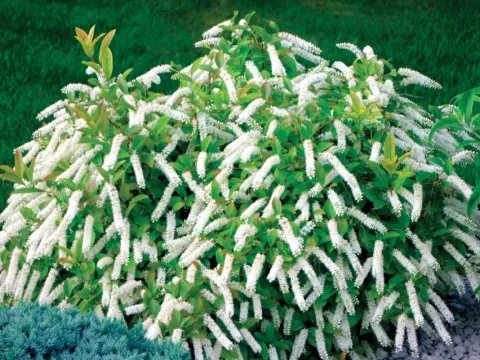
Itea macrophylla
Itea macrophylla
Itea macrophylla is a notable ornamental shrub belonging to the Iteaceae family. This species is recognized for its broad, lush foliage and distinct inflorescence structures, making it a specialized choice for commercial nursery production and ornamental landscape design.
What the section contains
Itea macrophylla
Originating from the humid regions of Southeast Asia, this crop thrives in environments that replicate its native habitat. It performs best in areas protected from harsh winds while receiving ample, diffused sunlight, which ensures the development of healthy, dense leaf structures.
The cultivation of Itea macrophylla requires specific soil conditions. It thrives in fertile, well-drained loamy soils with a slightly acidic pH. Proper soil preparation must include a drainage system, as waterlogging is a primary factor in root system failure and general plant decline.
Management of water resources is critical for successful cultivation. During the active growing season, consistent moisture levels must be maintained. Drought stress negatively impacts the plant's aesthetic quality, often leading to rapid leaf senescence and stunted growth of new shoots.
Pruning is an essential agrotechnical practice for this species. Regular structural and sanitary trimming promotes vigorous lateral growth and maintains the desired compact habit of the shrub. This level of maintenance is required to meet the high quality standards expected in the horticultural trade.
The most significant threat to Itea macrophylla is root rot, typically caused by fungal pathogens in poorly drained substrates. Management focuses on preventing over-irrigation and ensuring the aeration of the root zone throughout the growth cycle.
Pests, particularly aphids and spider mites, are common challenges in nursery settings. These pests feed on sap, damaging tender young foliage and causing stunted or deformed growth, which reduces the marketability of the nursery stock.
Integrated pest management strategies are recommended to keep damage levels below economic thresholds. This includes the strategic application of systemic insecticides and miticides, adjusted for the specific growth stages of the shrub to ensure effective control.
Sanitation practices within the planting area are vital for long-term health. The prompt removal and destruction of fallen leaves and organic debris minimize the risk of secondary infections and provide a cleaner environment for the development of the plants.
Nutritional management serves as a defense mechanism for the plant. Providing balanced macro and micronutrient levels, particularly during peak development, ensures a robust physiological state, which helps the shrub resist minor infections and recover more quickly from environmental stress.