
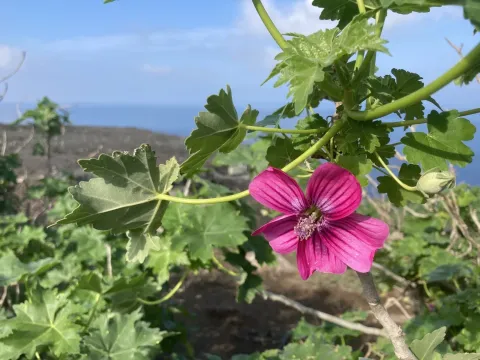
Island mallow
Lavatera assurgentiflora
Island mallow (Lavatera assurgentiflora) is a woody shrub belonging to the Malvaceae family. Originating from the Channel Islands of California, it has evolved to thrive in coastal Mediterranean environments.
What the section contains
Island mallow
The plant is known for its vigorous growth, often reaching significant heights within a short period. It features large, maple-like leaves and attractive pinkish-purple flowers that are highly valued in ornamental horticulture.
For optimal growth, the crop requires full sun exposure and well-draining soil. While the species is drought-tolerant once established, it responds positively to consistent watering during the initial stages of development.
Agrotechnical management involves maintaining a clean soil surface around the shrub to prevent moisture-related root issues. It is essential to note that this plant is frost-sensitive and should be sheltered in regions with harsh winters.
Agricultural and landscaping usage includes its role as a fast-growing hedge and an excellent nectar source for bees and butterflies. Its adaptability to coastal conditions makes it a preferred choice for saline-affected regions.
The crop is prone to powdery mildew, especially in regions with high humidity and limited airflow, which can compromise both the aesthetics and the health of the plant.
Aphids represent a primary pest challenge, frequently attacking the tender new growth during the spring season and requiring targeted systemic insecticidal treatments.
Spider mites can become problematic during hot and dry spells, necessitating regular inspection of the underside of leaves to detect early signs of infestation.
Rust diseases specific to Malvaceae may occur; therefore, a strategy of spacing plants correctly is vital to ensure adequate air circulation and to minimize fungal spread.
Integrated pest management protocols, including the removal of dead tissue and monitoring for early symptoms, are recommended to maintain plant vigor throughout the season.