
Itea
Itea L.
Itea is a genus of flowering plants belonging to the family Iteaceae. These plants are known as deciduous shrubs or small trees that originate from temperate and subtropical regions of Eastern Asia and North America, typically found in moist woodland habitats.
What the section contains

Itea
The plant thrives in moist, well-drained, and slightly acidic soils. One of the fundamental requirements for a healthy Itea plant is organic-rich soil that retains some moisture without becoming waterlogged, as poor drainage is a primary cause of stunted growth.
When it comes to light, Itea adapts well to both full sun and partial shade. However, in regions with intense summer heat, light afternoon shade is recommended to prevent leaf scorch and ensure the plant maintains its vibrant foliage color throughout the season.
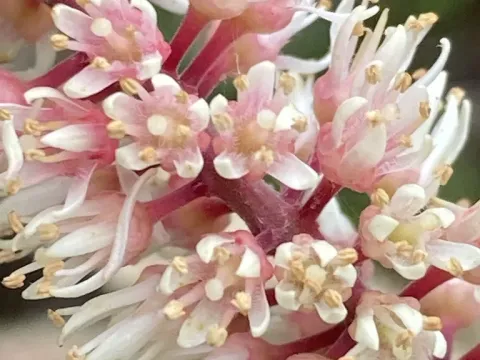
Botanically, Itea is celebrated for its pendulous racemes of fragrant white flowers that bloom in early to mid-summer. Following the blooming period, the plant serves as a late-season ornamental feature, with leaves turning brilliant shades of red, orange, and gold.
Cultivation practices should include consistent mulching to maintain soil moisture and acidity levels. Pruning is essential to maintain a desired shape and encourage new growth, which should be performed immediately after the flowering period ends to ensure next year's buds.
Itea is generally considered a disease-resistant plant, but it remains susceptible to root rot if planted in poorly drained soil. Maintaining appropriate soil structure is the most effective way to prevent fungal infections from developing in the root zone.
Insects like aphids or spider mites may occasionally infest the plant during hot and dry spells. Regular monitoring of the foliage and implementing early control measures using horticultural oils or insecticidal soaps can mitigate these problems effectively.
Iron chlorosis is a potential issue if the soil pH becomes too high (alkaline). This is characterized by yellowing leaves with green veins and can be addressed by applying iron chelates or acidifying fertilizers to bring the pH levels back into the preferred range.
Air circulation is crucial for preventing powdery mildew, especially in humid and stagnant garden environments. Proper spacing during planting and thinning out the center of the shrub will ensure adequate airflow and lower the risk of fungal spread.
Winter damage can occur in colder climates, particularly to the younger stems. Providing winter protection for the root base using organic mulch is highly recommended to protect the plant from harsh freeze-thaw cycles that can cause root upheaval.