
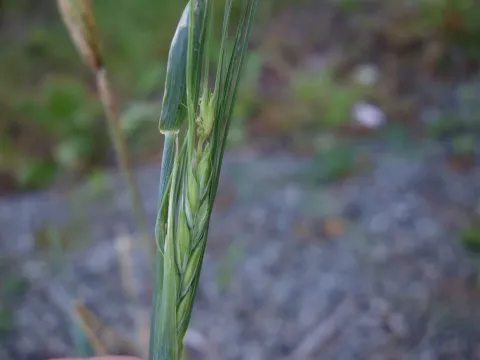
Irregular barley
Hordeum irregulare
Irregular barley, part of the Poaceae family, is a unique, endemic cereal crop primarily grown in the mountainous regions of Ethiopia. The sowing process in traditional farming typically aligns with the onset of the rainy season, which ensures adequate moisture levels necessary for seed germination and effective tillering.
What the section contains
Irregular barley
Optimal sowing times are determined by the high-altitude temperature regime, where avoiding nighttime frost during critical growth stages is essential. Agronomists recommend planting seeds in well-warmed, moist soil while adhering to specific seeding rates adapted to the crop's lower tillering capacity.
A biological characteristic of this species is its slow initial growth; therefore, early sowing is prioritized to establish a robust root system before peak heat. Timely fertilizer application at the time of sowing facilitates better establishment in the distinct soil types of mountain regions.
In field practice, crop rotation is highly recommended, preferably following legumes to ensure natural nitrogen accumulation in the soil. Sowing is typically performed using row methods that ensure optimal light penetration for photosynthesis across all plants.
Soil preparation requires thorough leveling and the establishment of proper drainage, as this species is sensitive to waterlogging in the root zone. Precise selection of sowing dates minimizes the risk of stem lodging during the maturation of the spikes.
The crop has high requirements for light intensity and solar radiation, which is explained by its high-altitude origin. The plant is adapted to thin air and significant diurnal temperature fluctuations, though it requires stable moisture levels during the booting stage.
The soil profile should ideally be neutral or slightly acidic, with a preference for well-aerated loamy structures. Hordeum irregulare is intolerant of saline soils and requires sufficient potassium levels to maintain strong plant immunity under the harsh conditions of high altitudes.
Agronomic management includes regular cultivation between rows to break up surface crusts that often form after intense mountain rainfall. While irrigation is generally not required in the natural habitat, moisture control is necessary when introducing the crop to new regions.
An important requirement is the management of plant density, as excessive crowding reduces individual spike productivity. Given the plant's morphology, crops need protection from strong winds typical of mountain plateaus.
Mineral nutrition must be balanced to account for nutrient depletion, though excessive nitrogen fertilization is undesirable. An overabundance of nitrogen stimulates excessive vegetative growth at the expense of grain yield.
The yield of irregular barley is considered moderate compared to modern cultivars of common barley, reflecting its specific botanical nature. Nevertheless, in favorable years, the crop demonstrates stable grain mass results despite the extreme environment.
Key factors limiting potential yields include high humidity during the flowering phase and potential pressure from high-altitude pests. Breeding efforts for this species are currently focused on improving grain density and stalk strength.
The thousand-grain weight is a key quality indicator analyzed during the evaluation of crop samples. High protein concentration makes the grain a valuable raw material for regional food production and traditional culinary applications.
To improve marketable output, farmers practice foliar feeding with micronutrients during the heading phase. Analysis of dry matter accumulation allows for precise timing of developmental stages to adjust technological interventions.
Despite lower gross yields, irregular barley remains a strategically important crop for regional food security. Yield assessment is carried out using methodologies adapted for small-grain cereals to ensure accurate data reporting.
Typical diseases for this crop include various types of smut and rust, which affect the foliage and spikes under high humidity conditions. Prevention of fungal diseases requires the mandatory use of seed dressings prior to planting.
Among pests, cereal flies and aphids pose the greatest threat, as they can significantly reduce vegetative biomass during early growth stages. Monitoring of pest populations must be performed weekly during critical growth phases.
Chemical protection of crops should be strictly dosed, as Hordeum irregulare is sensitive to several fungicides used for common barley. Preference is given to biological control methods and proper agrotechnical practices to reduce the infection pressure.
Root rot often occurs due to poor management, such as improper drainage or excessive irrigation during the initial growth phase. An effective method of management involves using resistant cultivars and lines.
Pests, such as the grain beetle, can damage kernels during the milk-ripeness phase, requiring protective measures at strictly regulated times. Adherence to crop rotation schedules helps break the pathogen life cycle in the soil.
Harvesting irregular barley is carried out in the full maturity phase when grain moisture drops to 14-15%, ensuring better preservation during storage. In mountainous conditions, this process is often performed manually or using small-scale machinery.
It is crucial to avoid leaving the crop standing for too long, as the spikes may be prone to shattering in high mountain winds. Timely harvesting allows for the preservation of the maximum harvest volume and prevents quality degradation.
Post-harvest processing includes thorough cleaning of the grain from plant residues and impurities that could trigger mold development during storage. Drying is performed naturally in open areas or in ventilated storage facilities.
Grading of the harvest is conducted with attention to kernel calibration, which is essential for future planting or industrial processing. Proper storage requires constant monitoring of temperature and pest control to protect the inventory.
Harvest organization requires careful planning due to the unpredictability of mountain weather. Using modern weather monitoring systems helps in selecting the optimal window for uninterrupted harvest operations.