
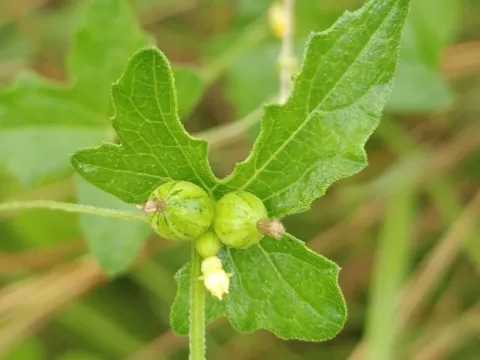
Ivy gourd
Coccinia cordifolia
The Ivy gourd is a perennial climbing vine belonging to the Cucurbitaceae family. In tropical regions, it is propagated using seeds that are sown in well-prepared, warm soil.
What the section contains
Ivy gourd
For better germination rates, soaking the seeds in warm water before planting is highly recommended. The soil temperature should remain consistently between +20°C and +25°C.
In commercial or greenhouse settings, seedlings are often started in individual containers 3 to 4 weeks before the expected transplanting date to ensure strong growth.
Vegetative propagation via cuttings is a common and efficient practice. Stem cuttings taken from healthy plants root easily in moist, well-draining potting media.
Since the plant is a vigorous grower, sowing or planting sites must be equipped with sturdy trellises or netting to support the climbing stems as they mature.
Ivy gourd is a strictly tropical plant that thrives in warm climates. It is highly sensitive to frost and cold, requiring stable temperatures above +20°C for optimal development.
The plant requires full sun exposure to maximize photosynthetic activity and fruit production. Shady locations will significantly reduce the yield and stunt vine growth.
The ideal soil is fertile, rich in organic matter, and possesses excellent drainage. Waterlogged soil conditions are detrimental and often lead to root zone complications.
Consistent moisture is vital, especially during the flowering and fruiting stages. However, irrigation must be managed carefully to prevent standing water around the base.
In cooler climates, growing this crop requires greenhouse environments equipped with climate control systems to maintain the necessary tropical conditions year-round.
Harvesting usually begins 60 to 90 days after planting. Once the plant enters the reproductive phase, it can produce fruit continuously for several months.
Productivity is closely linked to the management of the trellis system and pruning. Keeping the vine canopy open allows for better light penetration and easier harvesting.
The fruits should be harvested at the mature green stage for consumption. If allowed to ripen to a bright red color, they become soft and are typically no longer used as vegetables.
Frequent harvesting is a key agronomic practice; by removing mature fruits, the plant is encouraged to allocate energy toward forming new blooms and additional fruit sets.
Under favorable conditions, Ivy gourd is considered a prolific producer, making it an excellent candidate for both home gardens and specialized commercial market production.
Ivy gourd is susceptible to common cucurbit pests, including spider mites, whiteflies, and aphids, which thrive in warm, humid conditions and damage foliage.
Powdery mildew is the most frequent fungal disease, particularly in environments with poor air circulation or high humidity levels, appearing as a white dusting on leaves.
Root rot is a common threat caused by overwatering or poorly draining soil. Prevention involves monitoring soil moisture and using preventative fungicide treatments when necessary.
Leaf-eating caterpillars can also cause significant damage. Regular scouting of the vines is necessary to manage these outbreaks before they affect the crop's vitality.
Integrated pest management, including the use of beneficial insects and regular garden sanitation, is the preferred strategy for maintaining a healthy crop population.
Harvesting is performed manually. Using shears to clip the fruit stalks prevents accidental tearing of the vines, which could otherwise weaken the plant.
The green, firm fruits are versatile in the kitchen, often used in soups, curries, or stir-fries. They have a mild, cucumber-like flavor that absorbs surrounding spices.
Post-harvest care involves keeping the fruits cool and dry. Because they have thin skin, they are prone to bruising if handled roughly during transport or sorting.
The fruits have a short shelf life in fresh conditions and should be consumed or processed within a few days to maintain optimal culinary quality.
Commercial growers often implement a rigorous harvest schedule, picking fruits every 48 to 72 hours during peak production to ensure consistent market quality.