
Chinese Itea
Itea chinensis
Chinese Itea (Itea chinensis) is an evergreen or semi-evergreen shrub belonging to the Iteaceae botanical family. This species is native to East and Southeast Asia, including China, where it typically thrives in humid, shaded forest understories and along mountain slopes.
What the section contains
Chinese Itea
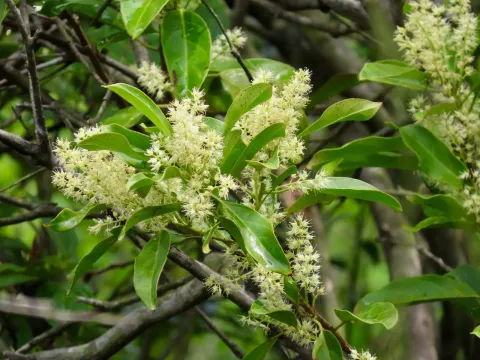
The plant is characterized by its lanceolate, serrated foliage and dense, raceme-like inflorescences consisting of small, white to cream-colored flowers. These floral spikes make the shrub a popular choice for gardeners looking for distinct textural interest in their landscaping.
For optimal growth, Itea chinensis requires moist, fertile, and well-drained soil. It is particularly sensitive to waterlogging, so ensuring excellent drainage is critical to preventing root issues while maintaining the high moisture levels the plant prefers.
Climate requirements for this species are specific; it thrives in mild to subtropical conditions. It does not tolerate prolonged frost or extreme drought, necessitating a sheltered planting location with protection from harsh winds and intense, direct afternoon sunlight.
In terms of agricultural and horticultural use, the Chinese Itea is prized as an ornamental specimen. It is frequently employed in woodland garden designs, as a foundation planting, or as a focal point in borders where its refined foliage can be showcased effectively.
The main threats to Chinese Itea include fungal pathogens such as leaf spot and root rot, which are often exacerbated by poor air circulation and excessive soil moisture. Proper spacing and soil amendments are key to mitigating these plant health risks.
Common insect pests affecting the foliage include aphids and spider mites. Growers should monitor the undersides of leaves during warm, dry periods and apply appropriate horticultural soaps or organic pesticides if infestation levels exceed manageable thresholds.