
Isoplexis
Isoplexis
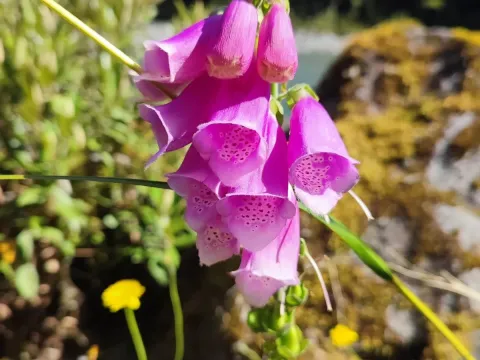
Isoplexis is a genus of evergreen shrubs belonging to the Plantaginaceae family. These plants are closely related to the genus Digitalis and are prized for their unique, tubular, and brightly colored inflorescences that attract various pollinators.
What the section contains
Isoplexis
The native distribution area of this culture is limited to the Macaronesian islands, specifically the Canary Islands and Madeira. They naturally thrive in subtropical forests and rocky slopes, where they benefit from high atmospheric humidity and moderate temperatures.
To successfully grow Isoplexis, one must replicate a mild, frost-free climate. The plant is not winter-hardy in temperate zones, making it an excellent candidate for greenhouse cultivation or as a seasonal container plant that must be moved indoors during winter.
Soil requirements focus on excellent drainage and a light, loamy structure. Adding organic matter to the soil mix helps retain necessary nutrients while preventing waterlogging, which is critical for maintaining the health of the root system.
The growth cycle of Isoplexis is adapted to consistent moisture levels rather than excessive wetness. Proper irrigation schedules, coupled with a well-ventilated growing environment, ensure that the shrub develops strong, woody stems and vibrant flowers.
Aphids are the most common pest affecting Isoplexis, particularly in the tender growth of spring. Regular monitoring and the application of neem oil or insecticidal soap are typically effective in controlling small infestations before they cause severe damage.
Root rot is a significant danger caused by pathogenic fungi when the soil is kept too wet for too long. Ensuring the substrate dries out slightly between waterings is the primary strategy to prevent this destructive condition.
Spider mites may occasionally infest the plants if they are kept in environments with low humidity. Increasing the moisture levels around the foliage or using specific miticides can help manage the mite population effectively.
Powdery mildew can manifest as a white, dusty coating on the leaves if airflow is restricted. Improving air circulation and ensuring the plant receives adequate space will significantly reduce the likelihood of this fungal infection occurring.
Vigilance against viral pathogens is necessary, especially if pests have already been present on the plant. Keeping the plant healthy through optimal nutrition and light exposure serves as the best defense against various environmental stresses.