
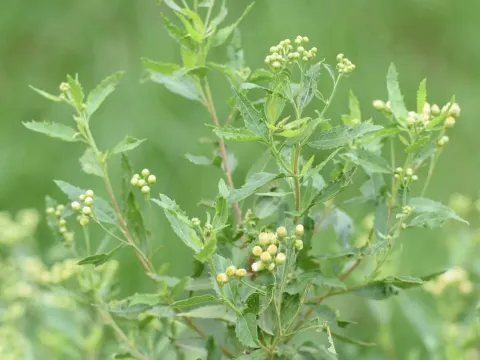
Ivy-leaved fleabane
Erigeron ivifolius
Ivy-leaved fleabane is a member of the Asteraceae family. Sowing in open ground is typically performed in spring once the danger of frost has passed and soil temperatures have warmed to at least 10–12 degrees Celsius.
What the section contains
Ivy-leaved fleabane
For more controlled results, seedlings can be started in a greenhouse in late winter or early spring. Seeds should be surface-sown on moist, well-draining potting soil as they require light to germinate.
Seeds should not be covered with a thick layer of soil; a light dusting of fine sand or vermiculite is sufficient to maintain moisture while allowing exposure to light.
Once true leaves appear, seedlings should be thinned to ensure adequate space. Transplanting to the final garden location occurs after the last expected frost date, keeping a spacing of 25–30 cm between plants.
In regions with mild winters, seeds can also be sown in late autumn. This allows for natural stratification during the winter months, leading to vigorous germination with the onset of spring warmth.
This species thrives in sunny environments. While it may tolerate partial shade, full sun exposure is essential for maintaining a compact growth habit and encouraging the most prolific bloom production.
The plant performs best in light, fertile soils with a neutral to slightly alkaline pH. Drainage is a critical requirement; the roots are susceptible to rot if subjected to waterlogged soil conditions.
During periods of active growth, consistent but moderate watering is necessary. It is important to avoid overhead irrigation, which can encourage fungal diseases, and instead focus on soil-level hydration.
Fertilization should be handled with care. Excessive nitrogen promotes vegetative growth at the expense of floral development, so balanced or low-nitrogen formulas are preferred for long-term health.
Weed management and soil aeration are vital aspects of the plant's maintenance routine. Periodic hoeing around the base of the plant helps maintain soil structure and promotes healthy root development.
Common pests include aphids and spider mites. These insects feed on plant sap and can severely weaken the plant if left unchecked, often leading to leaf chlorosis or deformation.
Powdery mildew is the most frequent fungal disease, especially in dense plantings with poor airflow. It is identifiable by the white, fuzzy growth on leaves and stems that inhibits photosynthesis.
Gray mold (Botrytis) may affect the plant during cool, damp weather, particularly if foliage remains wet. This leads to tissue necrosis and potential death of the affected stems.
Effective pest management involves early detection through regular monitoring of the underside of leaves. Insecticidal soaps or neem oil can be effective for initial outbreaks of sap-sucking pests.
Preventative cultural practices such as ensuring proper spacing and removing debris help significantly in managing pathogen pressure within the planting bed.
Ivy-leaved fleabane is largely cultivated for its ornamental value. For use in floral arrangements, stems should be harvested when flower heads are beginning to open to maximize vase life.
Seed collection should be done once the flower heads have turned brown and dried on the stalk. The seeds should be stored in a cool, dry, and dark environment to maintain viability for the following season.
Post-season maintenance involves cutting back the plant to within a few centimeters of the ground after the final blooming period. This helps the plant redirect energy to the roots for winter survival.
Mulching is recommended in colder climates to protect the crown of the plant from freeze-thaw cycles that can damage the root system during the winter dormant phase.
With correct harvesting and end-of-season care, the plant is capable of returning with vigor each spring, provided that the growing site is maintained free of excess moisture.