
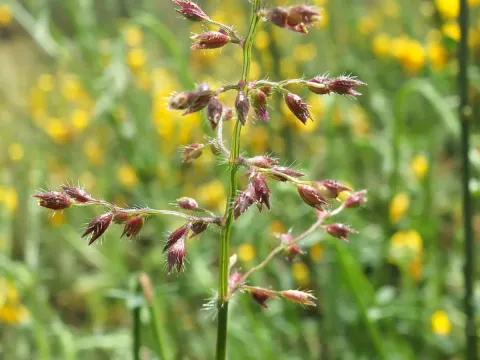
Isachne elatior
Isachne elatior
Isachne elatior belongs to the Poaceae family. It is a perennial grass species that naturally occurs in habitats characterized by high moisture levels, typical for tropical and subtropical regions.
What the section contains
Isachne elatior
The plant features robust stems and a high leaf area index, which facilitates efficient biomass accumulation. It is well-adapted to warm climates where the growing season extends throughout the entire year.
Soil requirements for Isachne elatior include high fertility and good drainage. While it thrives in moist environments, it is susceptible to waterlogging, necessitating well-structured soils for optimal root development.
The species requires consistent warmth to maintain metabolic activity. It is highly sensitive to frost, making it unsuitable for cultivation in temperate zones with cold winters without protective measures.
Effective agronomic management focuses on providing adequate nutrient levels, specifically emphasizing nitrogen application during the peak growth phases to maximize the photosynthetic output of the plants.
The primary economic value of Isachne elatior lies in its utility as a high-quality forage crop. Its ability to provide consistent biomass makes it a preferred choice for livestock grazing systems.
Yield stability is maintained through periodic harvesting and appropriate fertilizer management. By controlling the frequency of cuttings, producers can manage the regrowth cycles to optimize total annual biomass production.
The nutritional profile of this grass is favorable for ruminants, providing sufficient crude protein and digestible fiber. This makes it an essential forage source for sustainable pastoral farming in tropical areas.
The grass also plays a significant role in soil conservation by forming dense mats that reduce surface erosion. This ecological benefit adds value beyond its primary use as animal feed.
Future development of this crop relies on breeding programs focused on improving drought tolerance and nutritional density. Continued research into its cultivation will support more robust forage production systems.