
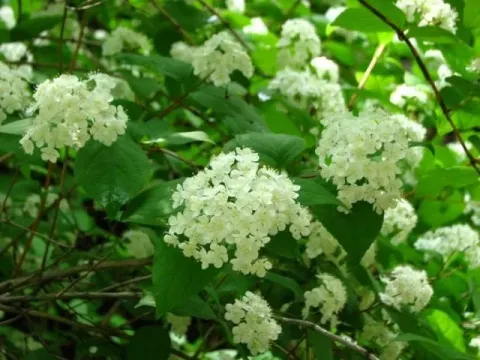
Deutzia mollis
Deutzia mollis
Deutzia mollis is a deciduous ornamental shrub belonging to the Hydrangeaceae family. Native to the mountainous regions of Central China, this species is highly valued in horticulture for its distinct foliage and elegant floral displays.
What the section contains
Deutzia mollis
Botanically, the plant is characterized by the soft, pubescent texture on the underside of its leaves, which gives the species its specific name. It typically grows as an upright shrub, reaching heights that make it a perfect subject for mixed borders.
The shrub thrives in temperate climates but requires protection during harsh winters. While it can withstand moderate cold, its branches may suffer from frost damage, necessitating winter protection in colder zones through mulching or covering.
Soil requirements focus on fertility and moisture management. Deutzia mollis prefers well-drained, humus-rich soil with a neutral to slightly alkaline pH. Poor drainage can lead to root rot, which is fatal for the plant's long-term survival.
Regarding light, it performs best in partial shade or in positions where it is sheltered from the intense midday sun. Full exposure to bright sunlight may cause leaf scorch, while too much shade often results in a significant reduction of blooms.
The primary threats to Deutzia mollis include fungal diseases such as powdery mildew, which thrive in conditions of poor air circulation and high humidity. Proper spacing between plants is essential to minimize these risks.
Pests are generally manageable, but aphids can become problematic during the peak growing season, specifically targeting the tender new shoots. Using insecticidal soaps or horticultural oils is usually sufficient to control minor infestations.
Leaf spot diseases may appear during seasons characterized by prolonged rainfall. Maintaining a clean garden environment by removing fallen debris significantly reduces the load of fungal pathogens that overwinter in the soil.
Over-fertilization, especially with excessive nitrogen, should be avoided as it encourages soft, succulent growth that is susceptible to aphids and winter damage. A balanced, slow-release fertilizer applied in early spring is recommended.
Routine maintenance, including the removal of dead or crossing branches after the flowering period, ensures the plant remains vigorous. A healthy, well-pruned shrub is significantly more resistant to both pests and diseases.