
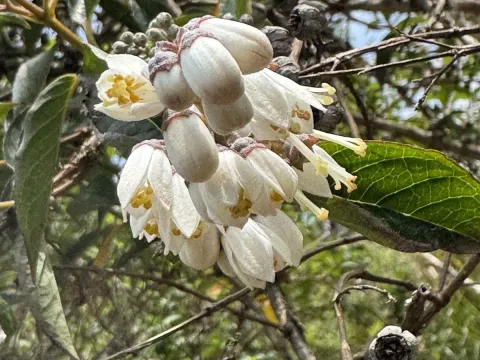
Deutzia pulchra
Deutzia pulchra
Deutzia pulchra is a distinguished deciduous shrub belonging to the Hydrangeaceae family. Native to the mountainous regions of Taiwan and the Philippines, this species thrives in climates where humidity levels remain relatively high throughout the growing season.
What the section contains
Deutzia pulchra
Successful cultivation requires soil that is rich in organic matter and maintains excellent drainage capabilities. Stagnant water is detrimental to the plant's health, often leading to root decay, so selecting an appropriate site with adequate slope or drainage layers is essential.
The shrub demands a location protected from harsh, desiccating winds. While it appreciates morning sunlight, afternoon shade is highly recommended to prevent leaf scorch and ensure the longevity of the delicate flower clusters during the blooming period.
Maintenance involves routine fertilization during the spring to support vigorous growth. Pruning should be performed annually immediately after flowering; this strategy ensures that the plant directs its energy toward developing new growth, which is vital for the following year's floral display.
Economically, this species is primarily cultivated for the horticultural industry. Its primary value lies in its ornamental appeal, making it a popular choice for public parks, private botanical collections, and as a focal point in diverse landscape designs.
Common pests affecting this crop include aphids and various types of leaf miners that target the tender foliage. Integrated pest management strategies, involving both biological controls and targeted chemical treatments, are recommended to maintain plant vigor throughout the summer.
Fungal issues, particularly powdery mildew and gray mold, pose significant threats if the planting density is too high. Improving air circulation through proper pruning techniques is the most effective way to manage these risks and prevent the development of widespread infections.