
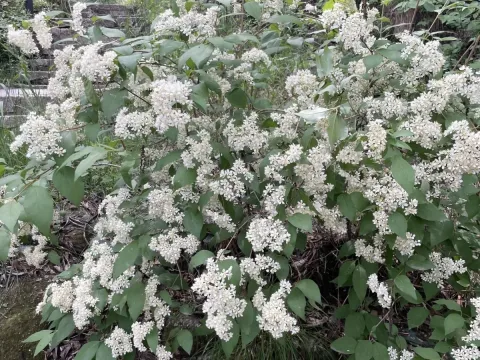
Deutzia parviflora
Deutzia parviflora
Deutzia parviflora is a deciduous shrub belonging to the Hydrangeaceae family. Native to East Asia, it is highly valued in horticulture for its dense, snow-white inflorescences and early flowering period.
What the section contains
Deutzia parviflora
Propagation is typically performed via softwood cuttings in early summer. Cuttings should be placed in a humid, well-draining medium and kept under controlled temperature conditions until rooting is complete.
Spring planting is recommended in temperate regions to allow the plant to establish a strong root system before the arrival of the first winter frosts.
Seeds can be sown in late autumn in outdoor seedbeds to allow for natural stratification. Germination usually occurs the following spring when soil temperatures consistently rise.
The planting site should be chosen with care, ensuring protection from strong, cold winds that can damage both the branches and the flower buds of this species.
The plant thrives in fertile, well-drained soils with a slightly acidic to neutral pH. Heavy, waterlogged soils should be amended with organic matter and drainage materials.
Deutzia parviflora prefers full sun to light shade. In regions with extremely hot summers, partial shade during the afternoon hours is beneficial to prevent foliage scorch.
Regular maintenance involves watering during dry spells and annual pruning to remove dead or weak branches, which keeps the shrub vigorous and promotes lush flowering.
Winter care in colder climates may require mulching the base of the plant to protect the root system. In harsh zones, covering the branches can help safeguard the bloom buds.
Balanced fertilization applied in the early spring, before the onset of rapid growth, provides the necessary nutrients for the development of healthy, flowering shoots.
While relatively robust, Deutzia parviflora can be affected by various fungal pathogens, especially if the air circulation within the canopy is poor.
Powdery mildew is the most common concern, manifesting as a whitish coating on the leaves. Proper spacing and airflow help mitigate the risk of such infections.
Insect pests, including aphids and spider mites, can colonize the shrub. Integrated pest management, including the use of soaps or neem oil, is often effective for control.
Maintaining high plant hygiene, including the removal of fallen leaves and debris, is crucial for preventing the overwintering of pathogens near the shrub base.
Monitoring the foliage for signs of chlorosis or wilting is recommended, as these may indicate nutritional deficiencies or soil-borne stress factors requiring intervention.