
Deutzia longifolia
Deutzia longifolia
Deutzia longifolia is an elegant deciduous shrub belonging to the Hydrangeaceae family. Native to the mountainous regions of Western China, this species is highly valued in horticulture for its spectacular flowering displays and graceful habit.
What the section contains
Deutzia longifolia
The plant thrives in fertile, well-draining soils with a neutral to slightly acidic pH. It prefers a location that receives full sun to light shade, ensuring that the foliage is protected from intense, drying winds that can damage the plant.
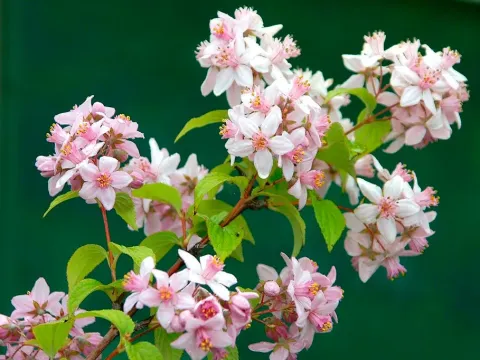
Botanically, it is characterized by its long, lanceolate leaves covered in fine, star-shaped hairs. The flowers are arguably its most notable feature, appearing in late spring or early summer as clusters of large, pale-pink to purple blossoms.
Maintenance involves providing consistent moisture, especially during dry spells, and mulching with organic matter to retain soil humidity. Pruning should be performed immediately after the flowering season to encourage vigorous growth for the next year.
In landscaping, this shrub is primarily used for its aesthetic appeal in borders, as a solitary feature plant, or within mixed shrubbery. Its moderate growth rate makes it an excellent choice for structured garden designs.
Deutzia longifolia is generally hardy but can suffer from root rot if planted in waterlogged soil. Proper soil structure and efficient drainage are essential to maintain the health of the root system throughout the year.
Pests such as aphids or leaf-chewing insects can occasionally affect the plant. Regular monitoring is recommended, and if infestations occur, horticultural soap or specific insecticides can be used to manage the population effectively.
Powdery mildew may occur in stagnant, humid conditions. Maintaining adequate space between plants to allow for airflow is the best preventative strategy against fungal issues that often plague dense shrubbery.
Winter care is important in colder climates, as the plant may suffer from frost damage. Young specimens should be protected with garden fleece or burlap during the coldest months to preserve the integrity of the branches.
Removing dead, damaged, or overcrowded wood during annual spring maintenance is crucial for plant vigor. This practice not only improves the shape of the shrub but also reduces the risk of hosting overwintering pests or disease spores.