
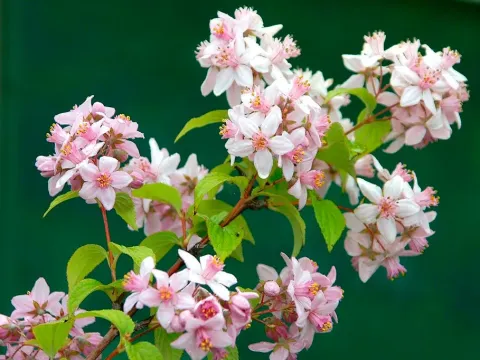
Deutzia lemoinei
Deutzia lemoinei
Deutzia lemoinei is an ornamental deciduous shrub belonging to the Hydrangeaceae family. It is a highly valued hybrid cultivar known for its spectacular display of pure white, star-shaped flowers that bloom profusely in late spring and early summer.
What the section contains
Deutzia lemoinei
This crop thrives in sunny locations with well-drained, fertile soil. While it tolerates a variety of soil types, it performs best in neutral to slightly alkaline environments. Good drainage is critical as the plant is susceptible to root rot if waterlogged.
Climate requirements include protection from harsh, drying winds which can damage delicate foliage and flower buds. In colder regions, providing a layer of mulch around the base of the plant during winter helps protect the root system from extreme temperature drops.
Agronomic practices focus on regular maintenance, including deep watering during dry spells and consistent pruning. Pruning should be performed immediately after the flowering season to encourage new growth for the next year's blooms.
The primary use of this shrub is landscape design. Its compact habit and prolific flowering make it an excellent choice for foundation plantings, shrub borders, and mixed garden beds, adding significant aesthetic value to any cultivated area.
Common plant diseases include leaf spot and powdery mildew, often occurring in environments with poor air circulation or excessive humidity. Managing these diseases requires fungicide applications and careful thinning of the shrub's interior branches.
Pests such as aphids are frequent visitors that feed on new growth, potentially causing stunted development of the flower spikes. Targeted use of insecticidal soap or biological control agents can effectively manage these populations without harming pollinators.
Leaf-rolling caterpillars can also impact the plant's health by folding leaves, which disrupts photosynthesis and damages the shrub's ornamental appeal. Routine inspection and physical removal of infected leaves are recommended for small-scale gardening.
To mitigate these threats, maintain adequate spacing between plants to ensure constant airflow. Removing debris from under the shrub also helps reduce the overwintering sites for common garden pests and fungal pathogens.
A healthy, well-fed plant is naturally more resistant to infestations and infections. Applying balanced organic fertilizers in early spring supports vigorous growth and enhances the shrub's ability to recover from environmental or biological stress.