
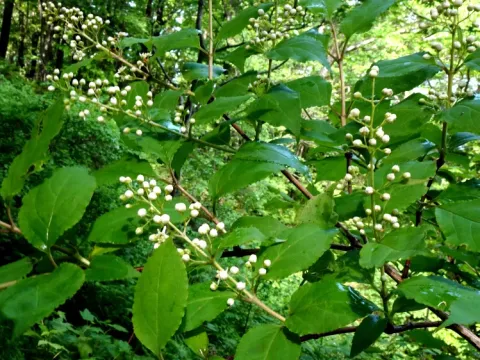
Deutzia paniculata
Deutzia paniculata
Planting Deutzia paniculata should ideally occur in early spring, once the danger of hard frosts has passed and the soil begins to warm up. Spring planting allows the shrub to establish a robust root system before the onset of the winter dormancy period.
What the section contains
Deutzia paniculata
Prepare the planting site by excavating a hole roughly twice the width and depth of the root ball. This ensures that the surrounding soil is loose enough for young roots to penetrate and spread effectively during the first growing season.
Enrich the backfill soil with organic compost or well-rotted manure to improve structure and nutrient availability. Avoid adding fresh manure directly against the roots, as it may cause chemical burns to the sensitive root tips.
Ensure the root collar is set at the same level as the surrounding ground. Planting too deep can cause stem rot, while planting too shallow may lead to root desiccation when exposed to direct sunlight and wind.
After settling the plant, provide a generous amount of water to eliminate air pockets in the soil. Mulching the area with wood chips or straw helps maintain consistent soil moisture levels and prevents competing weeds from encroaching on the shrub.
Deutzia paniculata, a member of the Hydrangeaceae family, thrives in locations with full to partial sun exposure. While it is adaptable, the best flowering performance is consistently achieved in spots receiving at least six hours of direct sunlight daily.
The species prefers fertile, well-draining soil with a pH level ranging from slightly acidic to neutral. In heavy clay soils, incorporating coarse sand or perlite is essential to ensure adequate drainage and prevent root rot during wet periods.
Watering requirements are moderate but must be consistent throughout the summer heat. Deep, infrequent watering sessions are superior to light daily sprinkles, as they encourage the plant to develop a deeper, more resilient root structure.
Regular pruning is a key aspect of managing this shrub. Removing old, woody stems immediately after flowering helps rejuvenate the plant, encourages the growth of new vigorous shoots, and ensures a cleaner, more aesthetically pleasing habit.
Though generally hardy, provide winter protection for younger specimens in colder climates. Bending the stems toward the ground and covering them with a light layer of organic material can protect the flower buds from severe temperature fluctuations.
Powdery mildew represents the most significant fungal threat, particularly in humid environments with poor air circulation. Symptoms include a white, dusty fungal growth on the leaves, which can lead to premature leaf drop if left untreated.
Integrated pest management strategies should be employed to control outbreaks. This includes proper spacing between plants to maximize airflow and the application of fungicides when the first signs of the fungus become visible.
Insect pests such as leaf miners and aphids can occasionally infest the shrub. While rarely fatal, they can significantly reduce the visual appeal and overall vigor of the plant during the peak of the growing season.
Sanitation is a vital component of disease and pest control. Regularly removing and destroying infected foliage or stems prevents the accumulation of inoculum and reduces the population of overwintering pests within the garden bed.
- Maintain proper plant spacing for airflow.
- Apply balanced fertilizers in early spring.
- Conduct annual sanitary pruning.
- Monitor foliage weekly for early pest detection.