
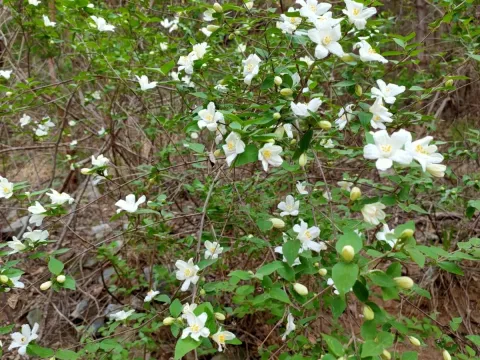
Deutzia grandiflora
Deutzia grandiflora
Deutzia grandiflora is a deciduous shrub belonging to the Hydrangeaceae family. Known for its elegant large blossoms, it is a favored ornamental plant in temperate gardens worldwide, originating from East Asia.
What the section contains
Deutzia grandiflora
The plant thrives in regions with moderate climates and prefers a location that receives either full sun or partial shade. Exposure to direct midday sun in very hot regions may require additional irrigation to prevent heat stress.
Botanically, it forms a rounded bush with arching branches. The foliage is typically matte green, providing a perfect backdrop for the clusters of white flowers that appear in late spring on previous year's growth.
Optimal soil conditions include well-drained, fertile, and slightly acidic to neutral soil. Amending the planting hole with organic compost helps provide the necessary nutrients for vigorous development throughout the growing season.
Maintenance involves routine pruning immediately after the blooming cycle. Removing approximately one-third of the oldest stems encourages new growth and maintains the shrub's overall health and aesthetic shape.
Aphids are the most common pests found on the succulent new growth of Deutzia grandiflora. They can be effectively managed with horticultural soaps or mild contact insecticides when noticed early.
Powdery mildew is a frequent fungal issue, particularly in humid or stagnant air conditions. Ensuring proper spacing between plants is the best preventative measure against this widespread leaf pathogen.
Leaf spot diseases may occur during wet summers. Sanitation by removing fallen leaves and pruning away infected branches helps minimize the spread of spores within the garden environment.
Scale insects can occasionally infest the woody stems, draining the plant's vitality. Regular inspection of the bark and manual removal or oil-based treatments are recommended for control.
Root rot is typically associated with poor drainage. Establishing a robust drainage system during planting and avoiding overwatering is essential to ensure long-term survival of the shrub.