
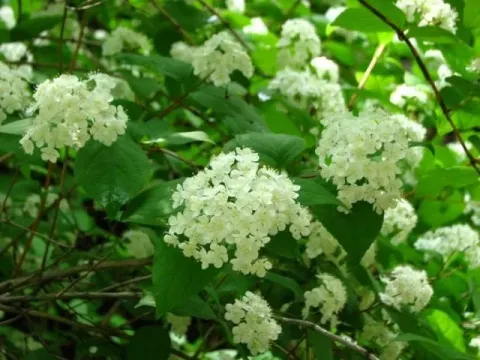
White Deutzia
Deutzia albida
Deutzia albida, known as White Deutzia, is a sophisticated deciduous shrub belonging to the Hydrangeaceae family. Native to the mountain regions of East Asia, it is highly valued by gardeners for its elegant growth habit and abundant, snowy-white blossoms that appear in late spring. It serves as a classic specimen for temperate garden climates.
What the section contains
White Deutzia
This species thrives in sunny locations with partial shade, provided it is sheltered from harsh, drying winds. An optimal environment ensures the plant receives sufficient light for photosynthesis, which is essential for healthy foliage and prolific blooming. Maintaining a stable microclimate is key to preventing premature bud drop or winter damage.
The crop requires fertile, well-draining, and humus-rich soil to achieve peak performance. Heavy soils should be amended with organic matter such as compost or peat to improve root respiration and moisture retention. Proper drainage is non-negotiable, as waterlogged conditions quickly lead to root rot and other physiological stressors.
Agricultural management involves regular watering during dry spells and the application of balanced fertilizers early in the growing season. Pruning is a critical practice; removing old or diseased stems immediately after the flowering period promotes the growth of vigorous new shoots for the following year. Mulching is recommended to stabilize soil temperature.
In terms of agricultural and landscape utility, White Deutzia is widely used in residential landscaping, parks, and botanical gardens. Its ability to integrate into diverse garden styles—from cottage gardens to formal borders—makes it a staple in the ornamental nursery trade. It is effectively used in hedges or as a standalone focal point.
The plant is generally resilient but may be susceptible to leaf spot diseases under conditions of high humidity and poor air circulation. To manage these threats, it is advised to provide adequate spacing between plants. If infections occur, the application of copper-based or systemic fungicides is necessary to restore plant health.
Pests such as aphids and spider mites represent the most common biological threats to Deutzia albida. These insects feed on sap, often causing leaf curling or chlorosis. Integrated pest management strategies, including the use of horticultural oils or approved insecticides, are essential for maintaining the aesthetic value of the shrub.