
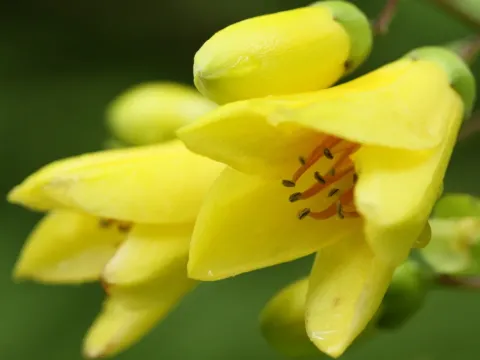
Yellow waxbells
Kirengeshoma palmata
Kirengeshoma palmata is primarily propagated through the division of mature clumps in early spring, which ensures the plant establishes well before the summer heat.
What the section contains
Yellow waxbells
Seed propagation is possible but challenging, as the seeds require a long period of cold stratification to break dormancy and trigger germination.
Sowing should ideally be done in late autumn, allowing the seeds to experience natural seasonal temperature changes in the soil or protected containers.
Seedlings show a slow growth rate in their first year, making proper site selection and early protection from competing weeds crucial for their survival.
Once established in a container, the young plants can be transplanted into their permanent garden location after the danger of frost has passed.
Native to the mountainous forests of Japan and Korea, this member of the Hydrangeaceae family thrives in cool, humid environments with rich, organic soil.
This species requires partial to full shade throughout the day to prevent its delicate, palmately lobed leaves from scorching under intense sunlight.
The soil should be consistently moist but well-drained, mirroring the nutrient-rich, humus-heavy conditions found on a forest floor.
Soil pH should ideally be neutral to slightly acidic, which supports the healthy uptake of micronutrients necessary for the plant's structural development.
Maintaining a thick layer of organic mulch around the base of the plant is essential to regulate soil temperature and conserve moisture during drier months.
Kirengeshoma palmata is generally robust, but it can be susceptible to root rot if planted in heavy clay soils that do not provide adequate drainage.
Slugs and snails are the most common pests, as they are attracted to the lush, succulent foliage during damp and humid weather conditions.
Cultural control methods, such as keeping the area around the plants clear of debris, can significantly reduce the habitat available for these pests.
While the plant is resistant to most foliage diseases, poor air circulation in dense plantings can occasionally lead to issues with powdery mildew.
Proper spacing during the initial planting phase helps promote airflow and reduces the likelihood of humidity-related fungal outbreaks during the growing season.