
Dampiera purpurea
Dampiera purpurea
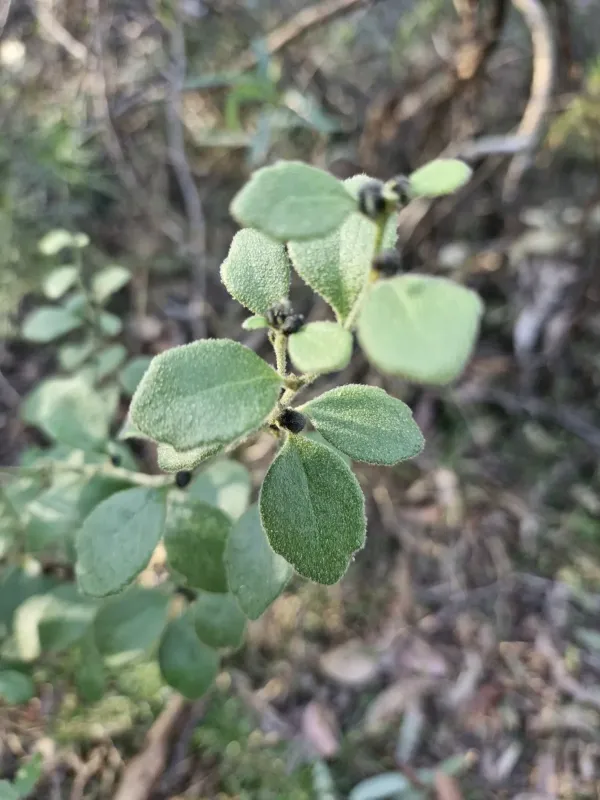
Description
Sowing dates
Sowing of Dampiera purpurea seeds is typically performed in late winter or early spring within a protected environment. Successful germination often requires seed stratification, as the seeds possess a hard coat that needs to be broken to stimulate growth.
The optimal temperature range for seed germination is between 18 and 22 degrees Celsius. The growing medium must be light, sandy, and exhibit excellent drainage properties to prevent moisture accumulation around the roots.
Seedlings should be transplanted into individual containers once the first set of true leaves has emerged. Because the plant has a very sensitive root system, transplanting must be handled with extreme care, ideally using the transfer method to keep the root ball intact.
In regions with mild climates, direct sowing into the ground is possible once stable warm weather arrives. However, in temperate regions, this species is more commonly cultivated as a container or greenhouse plant, as it cannot tolerate freezing temperatures.
To accelerate growth during the seedling stage in indoor settings, supplemental lighting is recommended, providing a daily light period of at least 12 to 14 hours.
Growing requirements
Dampiera purpurea is an endemic species to Australia, belonging to the Goodeniaceae family. In its natural habitat, it thrives in rocky or sandy soils, which accounts for its significant drought tolerance.
For vigorous development, the plant requires a sunny location. It performs poorly in partial shade, as low light levels lead to elongated stems and a drastic reduction in the intensity of flowering.
The soil should be neutral to slightly acidic with very low organic content. Excessive fertilizer application, particularly nitrogen-based products, negatively impacts the overall health of the plant and can cause root system collapse.
The culture has specific irrigation requirements. Maintaining moderate moisture in the substrate during the growth season is essential, while simultaneously eliminating any risk of waterlogging, which triggers root rot.
In outdoor conditions, Dampiera prefers areas sheltered from strong winds, as its brittle stems are prone to physical damage during inclement weather events.
Main diseases and pests
The primary threat to Dampiera purpurea is pathogenic fungi from the Phytophthora genus. These organisms thrive in waterlogged soil and rapidly attack the root system, often resulting in total plant wilt.
Pests such as mealybugs or spider mites may infest the plant when grown in indoor environments with low air humidity. Management involves the use of systemic insecticides as needed.
Improper substrate selection, leading to soil salinization, can induce leaf chlorosis. This condition is characterized by the yellowing of leaf blades while the veins remain green, necessitating adjustments in mineral nutrient balance.
Poor ventilation in greenhouse environments promotes the spread of powdery mildew. Preventive measures include ensuring optimal air circulation and avoiding overcrowded plantings.
The plant is also susceptible to fungal leaf spots that develop when moisture remains on the foliage during the night. Watering strictly at the base of the plant is recommended to mitigate this risk.