
Dampiera diversifolia
Dampiera diversifolia
Description
Growing requirements
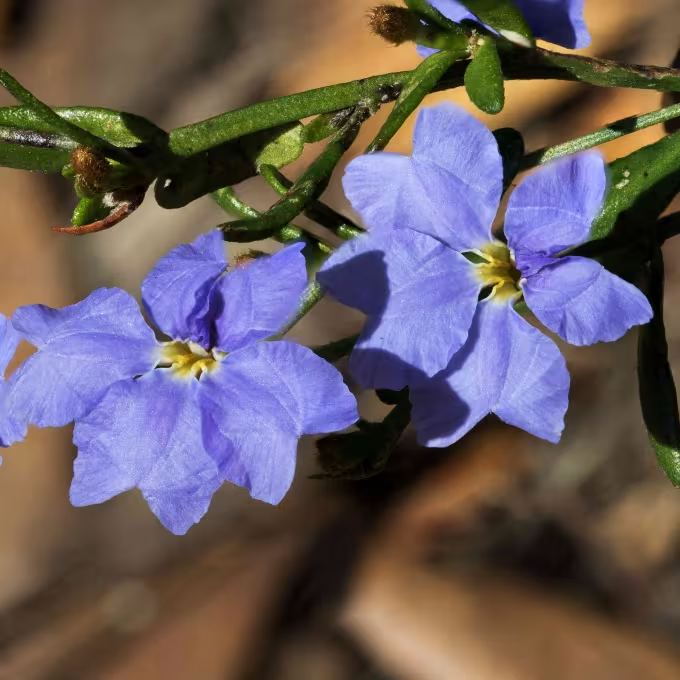
Dampiera diversifolia, known as the variable-leaved dampiera, is a perennial flowering species belonging to the family Goodeniaceae. Native to the southwestern regions of Australia, it is prized for its trailing habit and ability to create dense, vibrant ground cover in appropriate garden settings.
The botanical structure consists of slender stems that branch out significantly. The foliage is notable for its morphological variety, while the flowers feature the characteristic blue hues that make the Dampiera genus a popular choice for rockeries and container displays in temperate climates.
Soil requirements are quite specific: this plant thrives in well-draining, sandy, or stony substrates. It is essential to avoid heavy, clay-based soils that retain moisture, as the root system is susceptible to hypoxia and decay if not provided with adequate oxygenation and drainage.
Climate adaptation involves a preference for moderate temperature ranges. While it can handle mild fluctuations, it is generally frost-tender. In regions with freezing winters, growers should treat it as an annual or overwinter it in a protected environment like a cold frame or a bright, unheated greenhouse.
Regarding sunlight, Dampiera diversifolia prefers bright but dappled light. Intense, direct sun during the hottest parts of the day can lead to leaf scorching, especially when container-grown. Positioning the plant in an area that receives morning sun and afternoon shade is ideal for its health.
Main diseases and pests
The most significant threats to Dampiera diversifolia are soil-borne pathogens, particularly Phytophthora species, which are triggered by poor drainage and waterlogged conditions. Once established, these fungal infections can rapidly compromise the integrity of the root system.
Insect pests, such as aphids and spider mites, are common issues in both outdoor and greenhouse cultivation. Aphids typically colonize new, tender growth, while spider mites thrive in low-humidity environments, often leading to yellowing of the leaves and premature shedding of the foliage.
Effective management includes regular monitoring for early signs of infestation. Utilizing horticultural oils or appropriate insecticidal soaps can help manage localized pest outbreaks without damaging the delicate plant structure or stressing the root system further.
Preventative measures involve ensuring excellent air circulation around the plants and avoiding overhead irrigation, which can encourage the development of mildews and other foliar diseases. Sterile soil mixes are highly recommended during the initial potting phase to minimize disease exposure.
Overall, maintaining plant vigor through appropriate fertilization and avoiding overwatering is the best defense. A healthy, well-nourished plant shows much greater resistance to common environmental stresses and opportunistic pests that might otherwise overwhelm weaker specimens.