
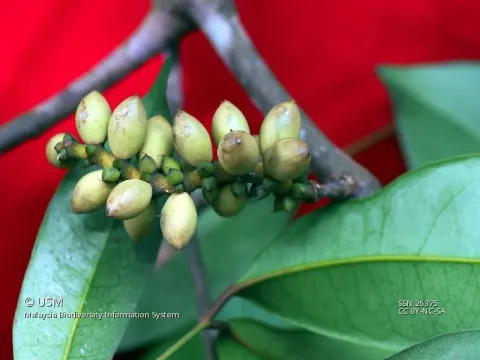
Gnetum microcarpum
Gnetum microcarpum
Gnetum microcarpum is a perennial evergreen woody vine belonging to the Gnetaceae family. In agricultural settings, the propagation is primarily achieved through seeds which require specific conditions of high humidity to germinate effectively.
What the section contains
Gnetum microcarpum
Seeds must be sown immediately after harvesting, as their viability decreases rapidly if they are allowed to dry out. The planting medium should be loose, organic-rich, and well-aerated to support early root growth.
The ideal time for sowing coincides with the onset of the rainy season, ensuring the natural moisture levels necessary for young seedlings to establish themselves.
Germination requires stable, warm temperatures typically ranging from 25 to 28 degrees Celsius. Seedlings are delicate and benefit from partial shading to avoid desiccation under intense direct sunlight.
Transplanting to the main field occurs once the plant has developed a robust root system, which usually takes about one year of nursery care under controlled conditions.
This crop thrives in tropical environments characterized by high ambient humidity and consistently warm temperatures. It is adapted to growing under the forest canopy, requiring filtered or dappled light.
The soil should be slightly acidic, rich in leaf mold, and possess excellent drainage properties. Waterlogging is detrimental to the health of the plant and must be strictly avoided to prevent root diseases.
As a climbing vine, Gnetum microcarpum requires physical support to reach maturity. On plantations, trellises or vertical support systems are essential to manage the growth habit and optimize sunlight capture.
The temperature must remain within the 20 to 32 degrees Celsius range. Sudden fluctuations or cold winds can cause physiological stress, leading to poor growth and premature leaf drop.
Maintaining soil fertility through the application of compost or organic mulch is necessary to support the plant's continuous vegetative growth and overall productivity.
The economic value of Gnetum microcarpum lies in its leaves, which are harvested for culinary use, and its seeds. In many tropical regions, the leaves are highly regarded as a nutritious leafy vegetable.
Yields are dependent on the age of the vine and the implementation of sound pruning practices, which encourage the development of young, tender leaves suitable for consumption.
Seed production is seasonal and tends to increase as the plant matures. Proper pollination management is a key factor in ensuring consistent fruit set across the plantation.
Maximum productivity is typically achieved by the fourth or fifth year. Integrating the plant into agroforestry systems can enhance the overall yield and sustainability of the cropping area.
Regular maintenance of the vertical canopy structure ensures that the plant has enough space and nutrients to reach its full productive potential throughout the harvesting season.
Root rot is the most significant threat to this crop, often caused by poor soil drainage and excessive irrigation during the colder or wetter months.
Pests such as aphids and spider mites can infest the soft tips of new shoots, especially during dry spells, which necessitates close monitoring and timely intervention.
Fungal leaf spots are common in areas with poor airflow and high humidity. Maintaining proper spacing between plants is an effective cultural practice to mitigate the spread of these pathogens.
Nematode infestations can severely compromise the root system, making it vital to use sterilized soil mixes during the propagation phase to prevent early-stage infection.
Biological control methods are preferred over chemical pesticides, as the leaves are directly consumed as food, making the safety of the produce a paramount agricultural concern.
Harvesting of the leaves is a selective process, where only mature but still tender leaves are picked. This allows the plant to continue growing and producing new foliage throughout the year.
For culinary quality, it is essential to harvest before the leaves become too fibrous. Constant monitoring of the vine ensures that high-quality harvests are maintained regularly.
Fruit collection occurs when the seeds reach biological maturity, indicated by the characteristic change in the skin color of the fruits.
Post-harvest management involves quick cooling or storing the produce in high-humidity conditions to maintain turgor pressure and prevent wilting in the tropical heat.
Seed storage for future planting requires careful control of moisture levels to keep the seeds viable and prevent fungal contamination before the next sowing cycle begins.