
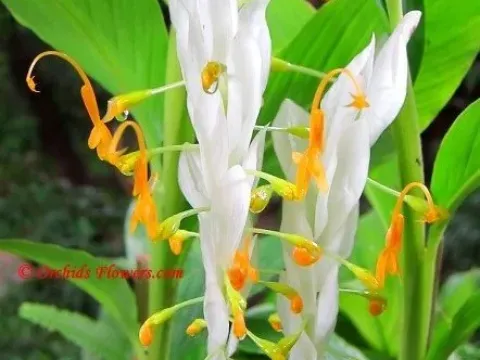
Globba whitneyi
Globba whitneyi
Globba whitneyi is an exotic perennial herbaceous plant belonging to the Zingiberaceae family. Native to the tropical environments of Southeast Asia, it thrives in shaded, high-humidity habitats, reflecting its natural forest floor origins.
What the section contains
Globba whitneyi
The plant requires stable tropical temperatures ranging from 20 to 28 degrees Celsius for optimal growth. It is highly sensitive to cold drafts and significant temperature fluctuations, necessitating indoor or greenhouse conditions in non-tropical climates.
A loose, nutrient-rich, and well-draining substrate is essential for the healthy development of its rhizomes. A mixture of peat, perlite, and organic compost is generally recommended to ensure both moisture retention and proper aeration.
Maintaining high ambient humidity is crucial for the success of Globba whitneyi. Regular misting, the use of pebble trays, or automatic humidification systems helps prevent the leaf tips from browning and maintains the plant's aesthetic quality.
Botanically, the plant is characterized by slender, lanceolate leaves and unique, pendulous inflorescences. Its compact habit makes it a favored choice for indoor plant collections and specialized botanical greenhouse displays.
The most significant threat to Globba whitneyi is overwatering, which quickly leads to rhizome rot. Cultivators must ensure the substrate is moist but never waterlogged to protect the underground parts of the plant from anaerobic decay.
Spider mites are the primary pest concern, particularly in low-humidity environments. These small pests can cause severe damage to the foliage, requiring immediate intervention with miticides or increased humidity levels to deter them.
Mealybugs may colonize the leaf axils and stems, draining the plant's resources. Manual removal using alcohol-dipped swabs or the application of systemic insecticides is often necessary for effective control during outbreaks.
Fungal diseases, such as leaf spot, often arise in stagnant, overly humid environments with poor air circulation. Improving airflow around the plants and avoiding overhead irrigation can significantly mitigate these risks.
Nutrient imbalances or poor soil quality can manifest as chlorosis or stunted growth. Providing a balanced, dilute liquid fertilizer during the active growing season helps maintain vigorous health and supports consistent floral production.