
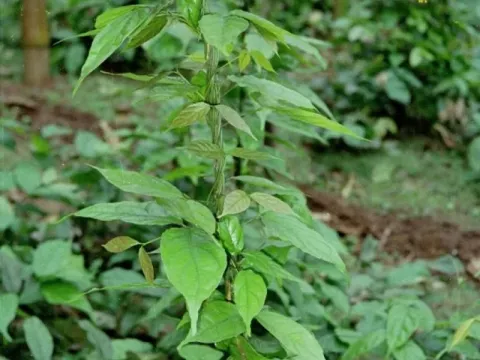
Gnetum africanum
Gnetum africanum
Gnetum africanum is typically propagated using fresh seeds, which require immediate planting as their viability decreases rapidly after harvest. Sowing should occur in a well-draining, nutrient-rich soil medium to encourage successful germination.
What the section contains
Gnetum africanum
Vegetative propagation via stem cuttings is also a common practice. Cuttings must be taken from vigorous, healthy vines and placed in a high-humidity environment to stimulate root formation, as the process is naturally slow.
Seed preparation may include short-term soaking in water to soften the seed coat. This step, combined with maintaining a consistent temperature, is essential for achieving a high success rate in nursery settings.
The optimal planting time coincides with the start of the rainy season. Adequate moisture at this stage allows the young plants to establish a robust root system before the onset of drier periods.
For commercial production, planting under a forest canopy or using artificial support structures like trellises is recommended. This approach mimics the vine's natural habitat, promoting healthier plant development.
Gnetum africanum is a perennial woody vine belonging to the Gnetaceae family. Native to the tropical rainforests of Central and West Africa, it thrives in environments characterized by high humidity and consistent tropical temperatures.
The crop requires fertile, well-draining soils with a slightly acidic pH. Waterlogging must be avoided, as it can lead to root decay and overall plant decline, which is why site selection is critical for plantation health.
Shade management is crucial for optimal growth. The plant prefers dappled light, as direct and intense sunlight can cause leaf scorching and reduce the quality of the harvestable biomass.
Temperatures between 20°C and 30°C are ideal for the plant's metabolic functions. It is highly sensitive to cold, and any exposure to freezing conditions will result in the immediate death of the vine's aerial parts.
Humidity is a vital component of its environmental requirements. A constant high relative humidity level ensures the leaves remain tender and succulent, which is a major factor in market value.
The yield of Gnetum africanum is largely dictated by plant density and the type of support system used. With proper management, the vine can produce consistent harvests for several years.
Commercial harvesting typically begins when the plant is 2–3 years old. Frequent and selective leaf harvesting encourages the growth of new lateral shoots, which effectively boosts the total green biomass output per hectare.
Using trellises or supports significantly increases yield compared to ground-level cultivation. This method not only saves space but also protects the leaves from soil-borne pathogens and makes manual harvesting easier.
Multiple harvests can be conducted throughout the growing season if the plant is maintained under optimal health conditions. Sustainable harvesting practices are essential to prevent over-extraction and ensure long-term productivity.
As the demand for this nutritious leafy green grows, farmers are focusing on genetic selection to identify higher-yielding varieties that are more resilient to common environmental stresses.
Gnetum africanum is generally hardy but can be susceptible to fungal diseases such as leaf spots, especially in dense, poorly ventilated plantings. Proper spacing and airflow management are primary defensive strategies.
Insect pests, particularly leaf-eating caterpillars, pose a significant threat. Integrated pest management, including the use of physical barriers or biopesticides, is preferred to maintain the organic standards often associated with this crop.
Root-related issues, including decay and nematode infestations, can occur in poorly drained soils. Maintaining soil health through rotation and organic amendment usage helps mitigate these underground threats.
Climate-related stressors like extreme heat can lead to secondary infections. Keeping the plants hydrated and shaded acts as a preventive measure against both physical damage and disease susceptibility.
Regular monitoring of the plantations is necessary to catch infestations early. Prompt intervention minimizes the need for heavy chemical treatments and keeps the final product safe for culinary use.
Harvesting is a manual process that requires skill to prevent damage to the vine's main stems. Harvesters carefully select mature, dark green leaves that exhibit the best texture and color for the market.
After picking, the leaves require immediate processing to maintain their fresh quality. Sorting is performed to remove any wilted, yellowed, or insect-damaged leaves, ensuring that only high-quality produce reaches the consumer.
Post-harvest storage should involve cool, well-ventilated containers. Because the leaves have a high water content, they can spoil quickly if kept in tight, unventilated packaging, which leads to heating and degradation.
In many regions, surplus leaves are dried or processed into powders. This adds value to the product, extends shelf life, and makes it easier to transport to distant markets where fresh leaves might not be available.
Effective post-harvest logistics are the final key to profitability. By reducing time from field to market, farmers ensure the nutritional integrity of the crop, sustaining its reputation as a premium leafy vegetable.