
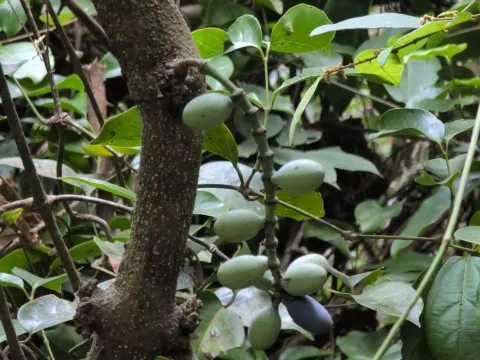
Gnetum
Gnetum
Gnetum belongs to the Gnetaceae family, a unique group of gymnosperms that includes lianas, shrubs, and small trees. These plants are native to tropical regions across Asia, Africa, and South America, thriving in dense rainforest environments.
What the section contains

Gnetum
Successful cultivation requires a tropical microclimate with high humidity and consistent temperatures. Soil must be rich in organic matter, loose, and possess excellent drainage to prevent the root suffocation that often occurs in waterlogged conditions.
Agricultural management involves providing shade, as Gnetum naturally develops in the lower forest canopy. Excessive direct sunlight can scorch the leaves and impede the vegetative growth of the vine.
Gnetum is dioecious, meaning male and female reproductive organs are found on separate plants. To ensure seed production, it is essential to cultivate both sexes in close proximity to facilitate natural pollination by insects.
Economically, Gnetum is valued for its edible seeds and leaves, which serve as staple food sources in several tropical regions. Furthermore, its bioactive properties make it a subject of interest in medicinal research.
The primary threats to Gnetum plantations include fungal diseases such as leaf spots and root rot, which are often exacerbated by poor air circulation and excessive irrigation.
Insect pests, particularly spider mites and mealybugs, represent a common challenge. These pests feed on the sap, causing leaf chlorosis and potentially weakening the entire plant structure.
Integrated pest management (IPM) strategies, including the use of neem oil or targeted biopesticides, are recommended to control infestations without damaging the plant's delicate tissues.
Maintaining proper hygiene by removing dead or infected leaves helps significantly reduce the incidence of pathogens within the cultivated environment.
Monitoring the soil pH and nutrient levels is also vital, as nutritional deficiencies can make the plants more susceptible to environmental stress and secondary infections.
The harvesting process for Gnetum seeds involves manual picking once the outer protective covering matures and changes color. The seeds are typically roasted before consumption to improve texture and taste.
Young leaves are harvested regularly throughout the growing season. It is crucial to employ selective pruning techniques to encourage healthy branching and ensure long-term vine vitality.
Yield stability depends heavily on the health of the adult plants and the efficiency of pollinator populations. A well-managed plantation can provide reliable harvests for many years.
Post-harvest handling requires careful cleaning and moisture regulation to prevent spoilage, as the seeds and leaves are perishable in high-humidity tropical conditions.
Storage of the processed seeds should occur in cool, dry areas to maintain their nutritional quality and shelf life for both domestic and commercial distribution.