
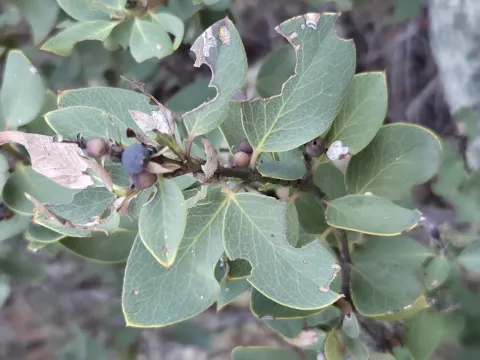
Garrya wrightii
Garrya wrightii
The propagation of Garrya wrightii is primarily achieved through seeds, which benefit from a cold stratification period of several weeks to break dormancy.
What the section contains
Garrya wrightii
Seeds should be sown in a well-draining soil mix in autumn, allowing the natural winter cold to prepare them for germination in the following spring.
Cuttings represent another effective method of propagation, typically using semi-hardwood segments taken from the plant during the late summer months.
To ensure successful rooting, cuttings should be treated with rooting hormone and placed in a medium composed of perlite and peat or sand.
Maintaining a high humidity level while providing excellent airflow is essential to prevent fungal issues in cuttings during the critical rooting phase.
Garrya wrightii, commonly known as the Wright silktassel, is an evergreen shrub belonging to the Garryaceae family, native to the arid regions of the Southwest.
This species is highly adapted to poor, rocky, or sandy soils and requires full sun exposure to maintain a dense growth habit and healthy foliage.
The most important environmental factor for this plant is superior drainage, as the root system is extremely sensitive to waterlogging and soil saturation.
It thrives in climatic conditions characterized by hot, dry summers and mild winters, showing remarkable resilience in low-water landscapes.
In landscaping, it serves as a valuable evergreen element, providing visual interest in winter through its long, elegant, hanging catkins.
The primary threats to this shrub include various root-rot fungi, which often manifest in poorly drained soils or during periods of excessive rainfall.
Foliar diseases, such as leaf spots, can occur if the plant is situated in areas with stagnant air and constant high humidity levels.
Insect pests like aphids and scale insects may occasionally infest the plant, potentially weakening its growth and aesthetic appeal over time.
Integrated pest management, including pruning to improve internal airflow, is recommended as the first line of defense against most biological threats.
Chemical interventions should be used sparingly and only when cultural and biological controls fail to manage significant infestations or infections.