
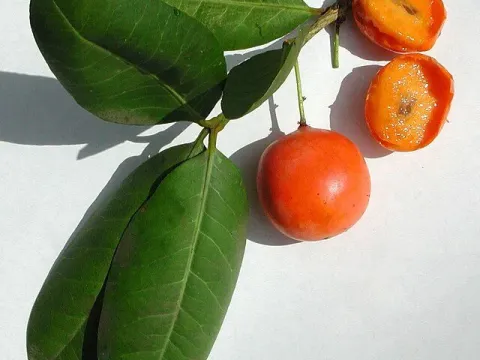
Garcinia aristata
Garcinia aristata
Garcinia aristata is a perennial evergreen tree belonging to the Clusiaceae family. This species is native to the Caribbean region, thriving in tropical forests where environmental conditions are stable throughout the year.
What the section contains
Garcinia aristata
The plant requires a warm tropical climate to prosper, as it lacks cold tolerance. Optimal growth is observed in locations with constant temperatures and high humidity, avoiding any exposure to frost or prolonged dry spells.
Soil requirements for this crop include well-drained, fertile substrates that are rich in organic matter. Proper drainage is essential to prevent waterlogging, which often leads to root rot and other physiological disorders in this species.
Agronomic management involves consistent irrigation practices to maintain steady soil moisture levels. While the plant is hardy in its native habitat, agricultural cultivation requires regular fertilization to ensure adequate nutrient availability for foliage growth.
Sunlight exposure should be managed carefully; young trees benefit from partial shade, while mature specimens can tolerate fuller sun. Pruning is necessary to maintain shape and promote a healthy structure, ensuring long-term vitality of the tree.
Garcinia aristata is susceptible to various fungal pathogens, particularly under conditions of poor air circulation and excessive moisture. Foliar spots and leaf blights are common symptoms that indicate environmental stress or lack of sanitation.
Pests, specifically scale insects and mealybugs, are frequent threats to this crop. These insects attach themselves to twigs and leaves, extracting nutrients and weakening the plant's defense mechanisms against other diseases.
Integrated Pest Management (IPM) strategies are highly recommended to keep populations of harmful insects under control. Regular monitoring of the canopy and the underside of leaves allows for early intervention before an infestation becomes severe.
Proper sanitation in the orchard is crucial; removing debris and fallen leaves helps reduce the inoculum density of pathogens. Maintaining sufficient spacing between trees promotes airflow, which is a natural deterrent to many fungal diseases.
In cases of severe infestation, targeted applications of horticultural oils or systemic insecticides may be necessary. It is essential to apply treatments during early morning or evening hours to maximize efficiency and minimize plant stress.