
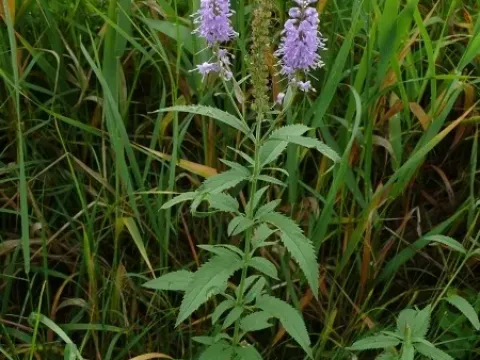
Garden speedwell
Veronica maritima
Veronica maritima, commonly known as garden speedwell, is a robust herbaceous perennial species belonging to the Plantaginaceae family. Originally found in damp meadows and coastal regions, it has adapted well to controlled agricultural environments.
What the section contains
Garden speedwell
Botanically, the plant is distinguished by its long, lanceolate leaves and dense, spike-like racemes of blue-purple flowers that appear in mid-summer. The plant forms an upright clump reaching heights between 80 cm and 120 cm depending on nutrient availability.
When cultivating Veronica maritima, soil quality is paramount. It thrives in fertile, moist-retentive, yet well-draining loamy soils. A slightly neutral to acidic soil reaction is ideal for optimal nutrient absorption and root development.
The plant requires full sun exposure to promote vigorous growth and deep floral coloration. While it tolerates partial shade, excessive shade may result in weak, leggy stems that require mechanical support during high wind conditions.
Maintenance involves routine weeding and mulch application to keep the root zone cool. Regular hydration is essential, particularly during drought spells, as the species is sensitive to extreme moisture deficits.
The primary threat to the crop is powdery mildew, which manifests as a white, dusty layer on leaves during humid, stagnant air conditions. Improving plant spacing is the most effective preventative measure.
Root rot caused by stagnant water or poorly drained soil is a significant risk. Ensuring proper field drainage and avoiding over-irrigation are critical steps in preventing total crop loss.
Aphid infestations are common in the early stages of the growing season. They cluster on terminal shoots and buds, potentially weakening the plant and transmitting viral diseases if not managed.
Slugs and snails can pose a problem in cool, wet springs, targeting tender young shoots. Utilizing physical barriers or organic bait traps is often sufficient to prevent significant leaf damage.
Effective Integrated Pest Management (IPM) strategies include monitoring for early symptoms of fungal diseases and maintaining high hygiene standards within the plot to reduce disease inoculums.