
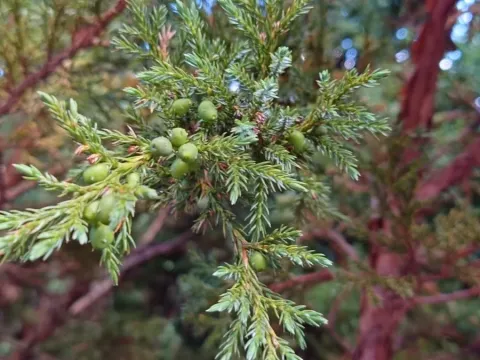
Gansu juniper
Juniperus kansuensis
Gansu juniper (Juniperus kansuensis) is a perennial coniferous shrub belonging to the Cupressaceae family. Its natural origin is associated with the mountainous areas of Gansu Province, China, where it adapted to high-altitude climate conditions.
What the section contains
Gansu juniper
This species is characterized by its high cold-hardiness and moderate drought tolerance. It thrives best in well-draining soil types, specifically loamy or sandy soils, with a neutral or slightly alkaline chemical reaction.
In terms of site requirements, Juniperus kansuensis demands full sun exposure to maintain the density of its foliage and its natural coloration. Planting in shaded areas often results in sparse branching and poor physiological development.
Botanically, it presents as a dense, often spreading shrub. The leaves are scale-like, pressed closely to the stems, which is an evolutionary adaptation to preserve moisture in harsh, windy environments typical of its native habitat.
Agronomic maintenance focuses on providing adequate drainage and avoiding excessive nitrogen fertilization, which can lead to rapid, weak growth. Mulching the root zone is recommended to regulate soil temperature and moisture levels during the peak summer months.
The primary health threats for this culture include fungal infections such as juniper rust and root rot. Maintaining proper spacing between plants ensures air circulation, which is critical in preventing the spread of these pathogens.
Common pests affecting the species include spider mites and scale insects. These pests can cause yellowing and needle drop, requiring integrated pest management strategies, including the use of systemic insecticides or horticultural oils.