
Gastrococos
Gastrococos
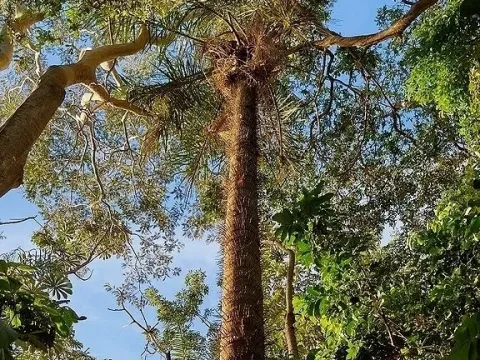
Gastrococos is a genus of monocot plants belonging to the Arecaceae family. This tree-like palm can reach significant sizes in its natural environment and is characterized by a sturdy, often spiny trunk that serves as a distinctive botanical feature.
What the section contains
Gastrococos
The native range of this plant includes the Caribbean region, particularly Cuba, where it thrives in a hot and humid tropical climate. The culture is extremely demanding in terms of consistently high temperatures and cannot tolerate even brief periods of frost.
For optimal growth, Gastrococos requires well-drained, fertile soils with a neutral to slightly acidic pH level. The plant does not tolerate waterlogging in the root zone, which necessitates the installation of proper drainage systems when growing in heavy clay soils.
From an agrotechnical perspective, this palm requires intense sunlight. If kept in shaded conditions, the plant's growth rate slows down significantly, and the trunk may become thin and susceptible to mechanical damage, which reduces its overall vigor.
In terms of agricultural use, Gastrococos is primarily valued as an ornamental crop for landscaping in tropical regions. There are also historical records of the local population harvesting its fruits for consumption or as a source of technical oils.
The main threats to Gastrococos are associated with fungal diseases that develop under conditions of high humidity and poor air circulation. Root rot is particularly dangerous, as it often leads to the death of the plant before any outward symptoms of the disease appear.
The palm is also susceptible to attacks from various species of palm weevils and scale insects. These pests feed on the sap of young leaves and growth points, leading to crown deformation and a general weakening of the plant's immune system.
To control pests in commercial or decorative plantings, systemic insecticides are commonly applied. An important part of plant protection is regular sanitation of the trunk and the removal of old, dead leaves where insects may harbor.
If the watering regime is disrupted, the plant may develop leaf spots caused by various pathogenic microorganisms. Prevention involves maintaining optimal planting density and ensuring adequate ventilation throughout the cultivation area.
Climatic stressors, such as severe hurricane-force winds, can mechanically damage the leaf blades of Gastrococos. After natural disasters, it is recommended to treat any wounds with fungicides to prevent the entry of secondary infections.