
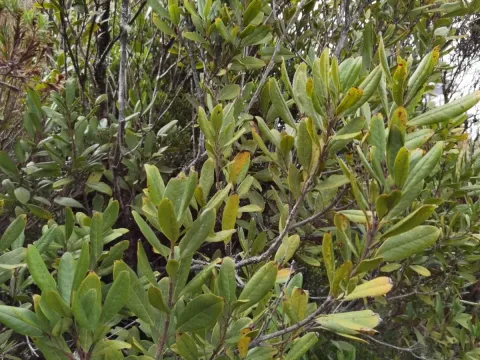
Garrya laurifolia
Garrya laurifolia
Garrya laurifolia is a distinctive species within the Garryaceae family, recognized for its elegant, leather-like foliage and pendulous catkins. This evergreen shrub or small tree serves as a focal point in ornamental landscapes, particularly in temperate regions with mild winters.
What the section contains
Garrya laurifolia
Native to the mountainous regions of Mexico and Central America, the plant is naturally adapted to cool, high-altitude climates. When cultivating Garrya laurifolia, it is essential to mimic these environmental preferences by providing ample light and excellent air circulation.
The plant thrives in well-draining, fertile soil that remains moist but not waterlogged. Soil pH should ideally be neutral or slightly acidic; alkalinity may cause nutrient deficiencies, leading to yellowing of leaves and reduced vigor during the main growth season.
Protection from extreme heat and drying winds is critical for the health of the shrub. While it can handle partial shade, a location with bright, indirect light is often preferred to maintain the deep green coloration of its persistent leaves and ensure optimal flower production.
Cultivation practices should include regular mulching around the base to preserve soil moisture and regulate temperature. Young plants require consistent monitoring of hydration levels, as their root systems are somewhat sensitive to both drought stress and excessive standing water.
Powdery mildew is the most common fungal issue for Garrya laurifolia, especially in environments where humidity is high and airflow is restricted. Pruning practices that open up the canopy are effective ways to mitigate the risk of fungal spread throughout the foliage.
Insects like scale insects and aphids may occasionally infest new growth, particularly during early spring. Utilizing horticultural oils or systemic insecticides can help manage these populations before they cause significant damage to the aesthetic structure of the plant.
Root rot, often caused by poor drainage, remains the primary threat to the longevity of the shrub. Ensuring that the planting site has been properly prepared with gravel or other inorganic materials for drainage is the most effective preventative measure against root decay.
Environmental stress can also predispose the plant to secondary infections. Keeping the plant properly fed with a balanced fertilizer throughout the growing season helps the shrub maintain its natural defenses against common garden pests and local diseases.
Frequent site inspections are recommended to catch any signs of stress early. By identifying issues like nutrient imbalances or early pest colonization immediately, gardeners can apply targeted interventions and keep the Garrya laurifolia healthy and structurally sound.