
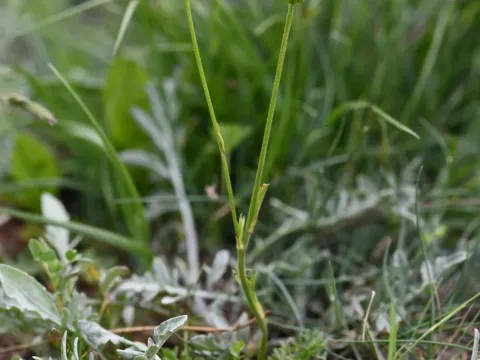
Gargano buttercup
Ranunculus garganicus
The Gargano buttercup (Latin Ranunculus garganicus) is a perennial herbaceous plant belonging to the Ranunculaceae family. It is native to the Mediterranean region, specifically the Gargano Peninsula in Italy, which shapes its natural ecological preferences.
What the section contains
Gargano buttercup
This species is characterized by a robust root system and dissected foliage, typical of the genus. Its growth habit is relatively compact, making it well-suited for rock gardens and areas with stony, calcareous soils that provide excellent drainage.
In terms of cultivation, it requires a neutral to slightly alkaline soil pH. The primary requirement for success is avoiding waterlogged conditions, which can lead to rapid root decay, especially during the dormant season.
Climate-wise, Ranunculus garganicus thrives in conditions similar to the Mediterranean climate, favoring mild winters and dry summers. When grown in cooler zones, protective covering or greenhouse cultivation is highly recommended to ensure survival.
The plant has found its niche in horticultural uses as a specialized ornamental species. Its ability to tolerate low-nutrient soils and rocky substrates makes it an excellent choice for xeriscaping or rockery gardening projects.
The Gargano buttercup is susceptible to several fungal diseases, including powdery mildew and various leaf spot pathogens, which typically flourish in high humidity or stagnant air environments.
Root rot is the most significant threat to the longevity of the plant. This condition is usually triggered by poor drainage or excessive irrigation during the periods when the plant is not actively growing.
Pests such as aphids and spider mites frequently target the plant, particularly in sheltered environments or greenhouse settings, where they can rapidly colonize new growth and flower buds.
Effective management involves consistent monitoring, maintaining optimal air circulation, and applying appropriate fungicidal or insecticidal treatments when pest populations or disease symptoms exceed the economic threshold.
Proper hygiene, such as removing debris and preventing overcrowding of plants, plays a vital role in reducing the pressure from common garden pests and fungal pathogens throughout the growing season.