
Platymiscium pinnatum
Platymiscium pinnatum (Jacq.) Dugand
Description
Growing requirements
Platymiscium pinnatum is a tropical tree species belonging to the legume family, Fabaceae. Widely distributed throughout Central and South America, it is highly valued for its dense, durable, and aesthetically pleasing timber, which is commonly marketed under the name "maca".
The species thrives in tropical climates characterized by high temperatures and distinct wet and dry seasons. It requires locations with sufficient light exposure for optimal development, as young trees are sensitive to heavy shade in later growth stages.
Regarding soil requirements, the tree prefers deep, well-drained, and fertile soils. It is relatively adaptable, performing well on various tropical substrates, provided that waterlogging is prevented through proper site selection or drainage management.
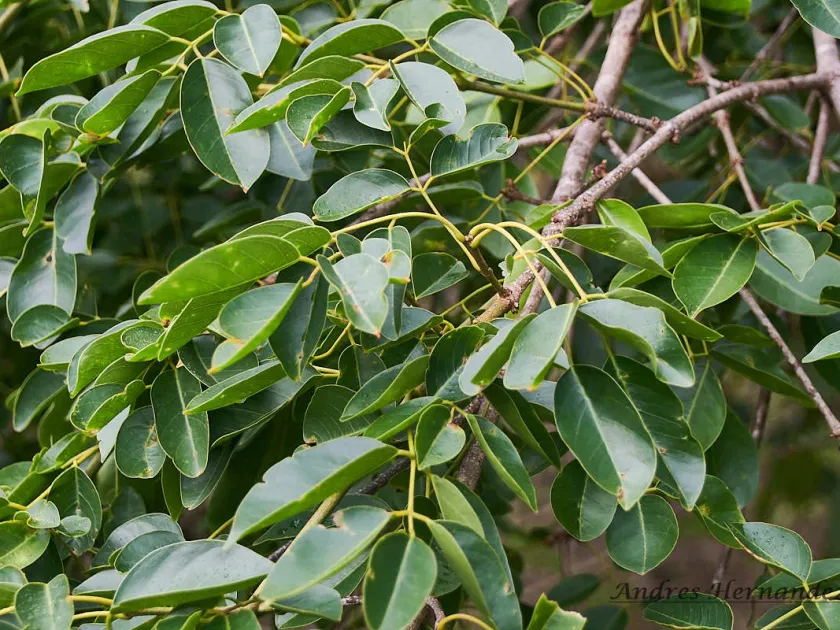
Botanically, it is characterized by its pinnate leaves and small, fragrant yellow flowers that appear in clusters. Its growth rate is generally moderate, and it develops a straight, cylindrical bole, which is highly desirable for timber production.
Economically, the wood is used primarily for high-end furniture, fine cabinetry, and musical instruments. Its resistance to decay and insects makes it a sustainable choice for long-term construction projects and decorative interior applications.
Main diseases and pests
Fungal diseases related to root rot are the primary threat, especially in sites where drainage is inadequate. Managing water movement within the plantation soil is crucial to ensure the long-term health of the trees and to prevent premature dieback.
Boring insects represent the main pest concern, as they can tunnel into the trunk and significantly diminish the structural and aesthetic quality of the timber. Implementing monitoring programs and maintaining stand vigor through proper spacing are effective strategies for pest control.