
Fish poison tree
Piscidia piscipula
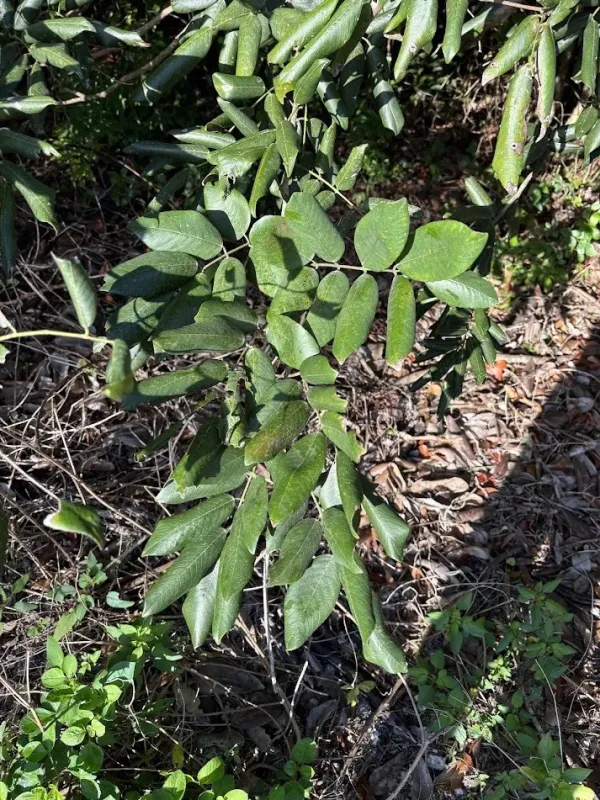
Description
Sowing dates
Propagation of the fish poison tree is typically performed by seeds or semi-hardwood cuttings. Seeds should be sown in well-drained substrate immediately after ripening.
To improve germination rates, it is recommended to scarify the seeds before sowing. The optimal temperature for seedling emergence is between +25°C and +28°C.
When using vegetative propagation, cuttings must be treated with rooting hormones and kept in a high-humidity environment under protected cover.
Young seedlings require partial shade during their first months to prevent root system desiccation and leaf scorching.
Transplanting to a permanent location is best carried out when saplings reach a height of 30–50 cm, preferably at the onset of the rainy season for better establishment.
Growing requirements
The fish poison tree is a deciduous member of the Fabaceae family, native to the tropical regions of Florida, the Caribbean, and Central America.
The crop thrives in well-drained limestone or sandy soils. It shows remarkable drought tolerance and can adapt to nutrient-poor growing media.
For healthy development, the tree requires full sun exposure. It does not tolerate prolonged waterlogging or poor drainage conditions.
The ideal temperature range for growth is +20°C to +35°C. This plant is highly sensitive to cold and cannot withstand freezing temperatures.
In its natural habitat, the tree can grow up to 15 meters tall, developing a wide crown that benefits from periodic pruning for maintenance.
Harvesting
The primary harvest product is the root bark, which contains rotenone, a compound traditionally utilized in pharmacology and fishing practices.
Harvesting of the bark is performed during the plant's dormant season when active compound concentrations are at their peak.
The wood of this tree is noted for its high density, strength, and durability, making it a valuable material for underwater construction and posts.
Proper safety precautions are essential during harvesting, as the plant's sap may cause skin irritation upon contact.
Economic applications also include its use in landscaping and as hedging material, owing to its rapid biomass production capabilities.