
Piptadeniastrum africanum
Piptadeniastrum africanum
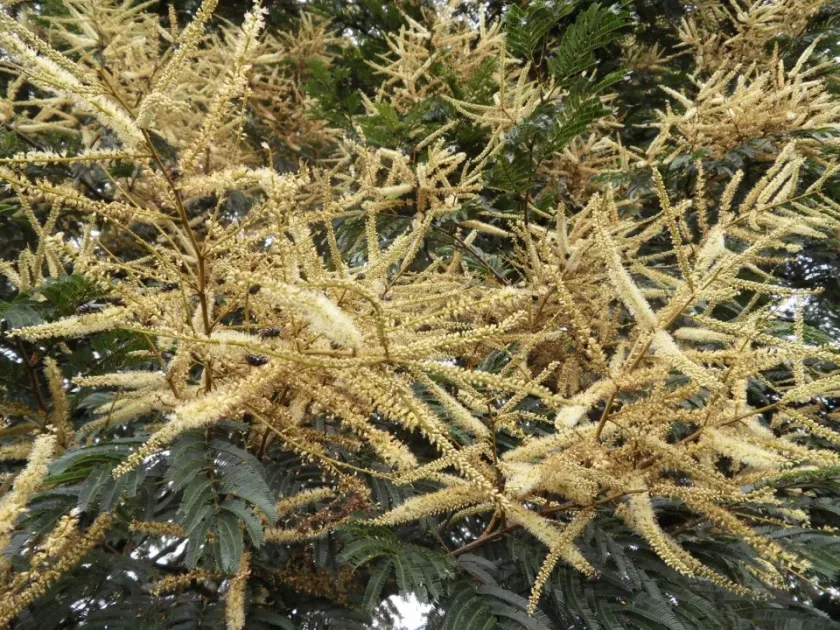
Description
Growing requirements
Piptadeniastrum africanum, commonly known as African greenheart, is a prominent member of the Fabaceae family. Native to the tropical forests of Central and West Africa, it thrives as a canopy tree in humid environments.
This species requires high annual rainfall and consistent tropical temperatures for optimal physiological performance. It is a light-demanding plant, necessitating significant sun exposure to reach its maximum structural potential in plantations.
Deep, fertile, and well-drained soils are essential for the healthy development of its extensive root system. While it can survive on various tropical soil types, it performs best in soils with high organic matter content.
The botanical structure is marked by its massive stature, often reaching 50 meters in height, and the development of large buttress roots. As a nitrogen-fixing legume, it plays a vital role in soil enrichment within mixed-species forestry systems.
Economically, it is highly valued for its dense, durable wood, which is utilized for heavy-duty construction, high-quality furniture, and railway sleepers. Its timber is prized for its high resistance to rot and insect attack.
Main diseases and pests
Root rot pathogens represent the primary threat in nursery and plantation settings, particularly when drainage systems are inadequate. Careful water management is required to prevent the onset of fungal infections.
Wood-boring beetles pose a significant risk to the commercial value of the timber, both in standing trees and during the processing stage. Integrated pest management strategies are crucial for maintaining timber quality.
Defoliating insects can significantly hinder the growth rates of young seedlings, potentially leading to stunted trees if left untreated. Regular monitoring of leaf health is recommended during the early growth stages.
Environmental stress, such as prolonged flooding or significant drought, can weaken tree defenses and make them more susceptible to opportunistic diseases. Proper site selection remains the best preventive measure against such threats.
Mechanical damage during harvesting or silvicultural practices can leave trees vulnerable to infestations. Implementing precise handling and maintenance protocols ensures the long-term productivity of the stand.