
Parkinsonia aculeata
Parkinsonia aculeata L.
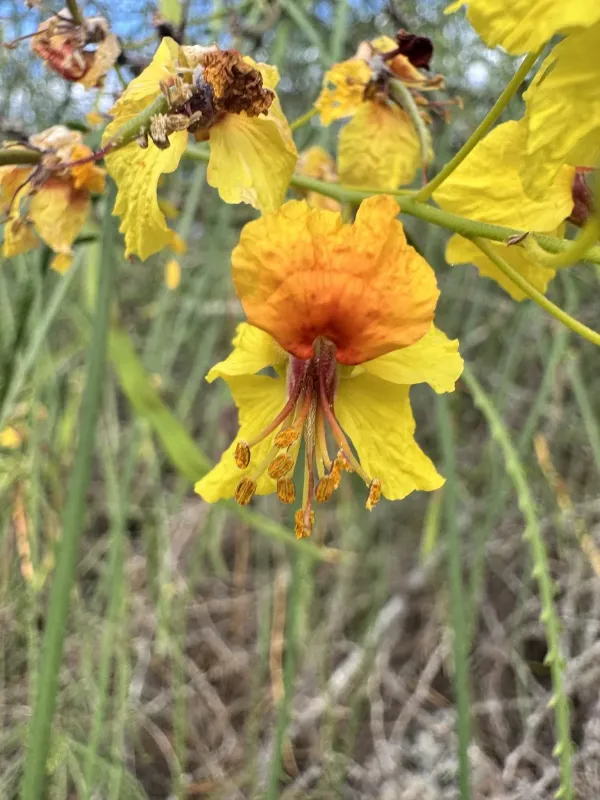
Description
Sowing dates
Propagation of Parkinsonia aculeata is primarily achieved through seeds, which require specific preparation due to their hard, impermeable coat.
Scarification is essential for consistent germination; this can be done by mechanical abrasion or immersion in hot water before planting.
Sowing in open field conditions is typically scheduled for spring, ensuring that soil temperatures remain consistently warm to support rapid development.
In nursery settings, seeds are planted in well-draining potting mixes to ensure proper aeration and prevent moisture-related rot during the early stages.
Seed depth should be kept shallow, between 1 to 2 centimeters, providing enough coverage to maintain consistent moisture while allowing easy emergence.
Growing requirements
Belonging to the Fabaceae family, this species is a highly resilient xerophyte adapted to survive in environments with minimal rainfall.
Full sun exposure is a non-negotiable requirement for optimal health; even slight shade can lead to stunted growth and reduced flowering.
The plant thrives in a wide range of soil types, including alkaline, saline, and gravelly substrates where nutrient availability is naturally low.
Temperature tolerance is a hallmark of this species, as it excels in hot, arid climates and can survive extended heatwaves that would kill other flora.
Water requirements are highest during the establishment phase, after which the plant becomes largely self-sustaining and drought-tolerant.
Yield
Parkinsonia aculeata is widely utilized in agroforestry for soil stabilization, especially in areas prone to desertification and wind erosion.
In various arid regions, the foliage serves as an emergency fodder source for livestock, providing essential nutrients during severe droughts.
The timber, while not suitable for mass structural production, is valued for its density and suitability for fuel and small artisanal woodworking.
The plant’s nitrogen-fixing abilities contribute to soil fertility, indirectly benefiting other vegetation integrated into the same management system.
Overall yield and productivity are measured by the plant's ability to maintain protective canopy cover and prevent the degradation of arable land.
Main diseases and pests
The primary agronomic threat to this species is root rot caused by poor soil drainage and waterlogging, which the plant is evolutionarily ill-equipped to handle.
Pest populations such as seed beetles can reduce the viability of offspring, making it necessary to monitor seed crops during the harvest season.
Fungal pathogens may emerge in humid environments, necessitating careful spacing of trees to promote air circulation within the canopy.
In some regions, the plant is considered invasive, requiring management practices to prevent it from outcompeting native grasses and forage crops.
Preventative care, including the removal of dead or diseased branches, is the most effective method for maintaining healthy, long-lived specimens.