
Libidibia sclerocarpa
Libidibia sclerocarpa
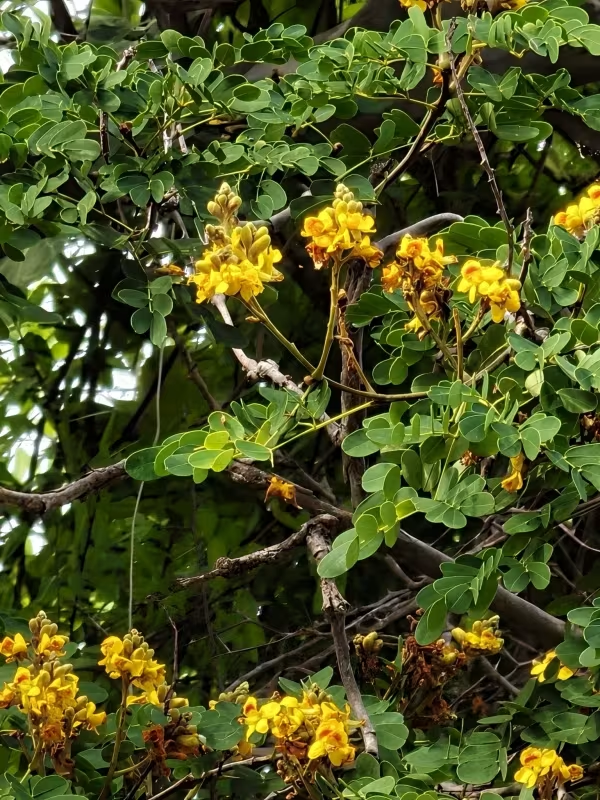
Description
Sowing dates
Sowing of Libidibia sclerocarpa seeds is carried out in specialized nurseries to ensure high-quality planting material before permanent transplanting. Seeds often require scarification due to their hard coat, which significantly slows down natural germination.
The optimal time for sowing aligns with the beginning of the rainy season, providing young seedlings with sufficient moisture for successful establishment during their first months.
Seedling cultivation requires well-drained substrates rich in organic matter to minimize the risk of root rot during the early stages of development.
Once seedlings reach a height of 30–50 cm, they are transplanted into fields or plantations, ensuring appropriate spacing to provide each tree with sufficient nutrient access.
The growth rate in the first year depends heavily on the quality of seed preparation and timely weed control around the young trees.
Growing requirements
Libidibia sclerocarpa belongs to the Fabaceae family and is a typical plant of tropical regions with a pronounced dry season. The species exhibits high drought tolerance and thrives on poor, stony soils.
The plant prefers well-lit areas with direct sunlight. Lack of shade is critical for the formation of a full canopy and active biosynthesis within the tree.
Normal development requires average annual air temperatures ranging from +22°C to +30°C. The tree is extremely sensitive to low temperatures and does not tolerate frost.
Soil preferences include well-drained loams or sandy soils with a neutral to slightly alkaline pH. Waterlogging is detrimental to the plant's root system.
A key aspect of agrotechnics is maintaining minimal mineral nutrition, despite the plant's ability to fix nitrogen from the air through symbiosis with root bacteria.
Yield
The primary economic value of Libidibia sclerocarpa lies in its unique timber, characterized by exceptional hardness, density, and resistance to decay.
Timber productivity is measured by biomass increment rates, which can reach several centimeters in trunk diameter annually under optimal conditions.
Beyond timber, the fruits are highly valued for their high tannin content, which makes them useful in the leather industry and for other technical applications.
Harvesting is performed upon full maturation of the pods, when the husks turn dark, indicating the maximum concentration of active compounds.
Effective plantation management involves the selection of highly productive individuals to maximize yield per unit area over the long term.
Main diseases and pests
Major threats to the crop are associated with insect pests, such as various weevils and bean beetles, which damage seeds and fruits during the storage period.
Young seedlings can be susceptible to fungal pathogens causing root rot, particularly if irrigation is improperly managed or soil moisture is excessive.
Plantation monitoring must include regular inspections for signs of wood-boring insects, which can rapidly diminish the commercial quality of the trunks.
Disease prevention includes strict sanitary standards on the plantation, the timely removal of infected plant parts, and ensuring proper air circulation.
Biological pest control methods are preferred, given the ecological focus associated with cultivating this species of tree.