
Japanese honeylocust
Gleditsia japonica
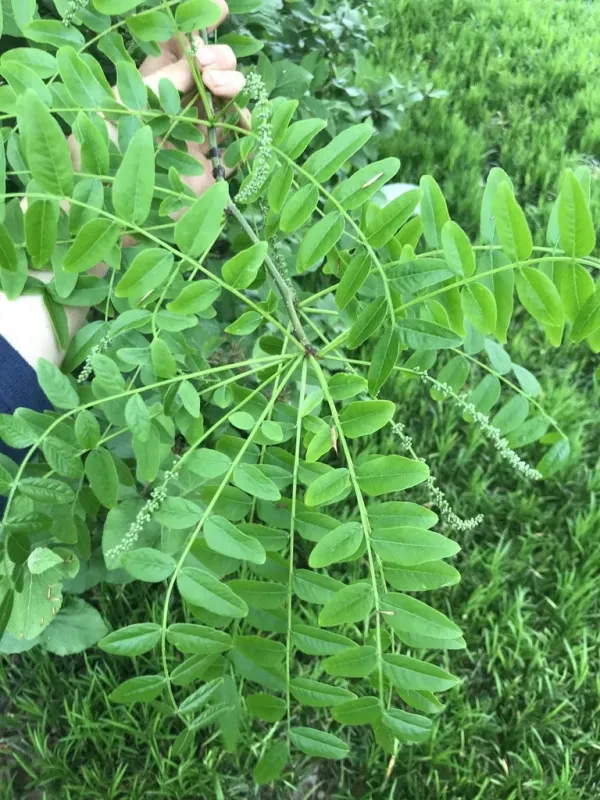
Description
Growing requirements
The Japanese honeylocust (Gleditsia japonica) is a deciduous tree belonging to the Fabaceae family. It is native to East Asia, primarily originating from Japan, China, and Korea, where it thrives in diverse temperate environments.
This species is well-known for its exceptional drought tolerance and preference for full sun exposure. It is a highly resilient plant that can establish itself in challenging environmental conditions, including urban settings with restricted space.
In terms of soil, the tree is remarkably adaptable. It prefers deep, well-drained loam but performs adequately in poor, rocky, or slightly alkaline soils. It is particularly valued for its role in soil conservation and slope stabilization.
The climate requirements include a temperate environment. While it is hardy, young trees benefit from protection against severe, drying winter winds. It is an excellent choice for ornamental gardening due to its elegant fern-like foliage.
Management practices typically involve periodic pruning to maintain structural integrity. As a nitrogen-fixing species, it can contribute to the overall fertility of the soil in mixed plantations.
Main diseases and pests
The Japanese honeylocust is generally resistant to many pathogens; however, leaf spot diseases can occur during humid, overcast growing seasons. Proper spacing is essential to ensure adequate airflow within the canopy.
Pests such as spider mites and scale insects are occasionally encountered. These pests can cause chlorosis or premature leaf drop if not managed through integrated pest management strategies.
Boring insects may target stressed or damaged trees. Maintaining the tree's health through correct irrigation and soil management is the best defense against such infestations.
Winter injury can leave the bark vulnerable to opportunistic fungi. Regular monitoring during the dormant season helps to detect and treat physical wounds before they become severe issues.
Utilizing certified seedlings and maintaining a clean growing environment helps prevent the introduction of soil-borne pathogens, ensuring the long-term vitality of the stand.