
Israeli clover
Trifolium israeliticum
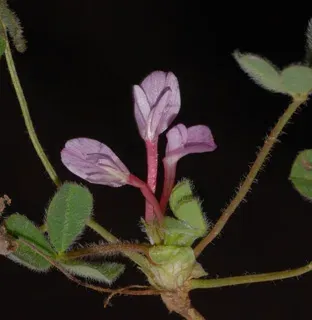
Description
Sowing dates
Israeli clover (Trifolium israeliticum) is an annual legume species known for its resilience and adaptability in Mediterranean-type climates. It serves as a vital component in local grazing systems and hay production.
The sowing season typically begins in the autumn after the first rainfall. Planting during this window allows the seeds to germinate and develop a robust root system before the onset of the cold season.
Seeds are broadcasted or drilled into the topsoil at a shallow depth of approximately 1–2 centimeters. Proper seedbed preparation is essential to ensure high germination rates and uniform emergence of seedlings.
Because it is a nitrogen-fixing legume, the seeds are often inoculated with specialized rhizobia bacteria. This practice ensures efficient symbiosis, which boosts the plant’s growth and the overall fertility of the field.
The establishment phase requires careful management to prevent competition from weeds. Once established, the clover develops a thick cover that effectively suppresses most competing plant species.
Growing requirements
This clover species thrives in areas with full sun exposure and moderate temperatures. It is highly suited for regions characterized by cool, wet winters and warm, dry springs, which align with its growth cycle.
Well-drained soils, particularly sandy loams or silty textures, are preferred. The plant is sensitive to waterlogging, so adequate soil drainage is crucial to prevent root rot and physiological stress.
The soil pH should ideally be neutral to slightly alkaline. The species is known to tolerate various soil types, provided that the physical structure allows for sufficient root penetration and aeration.
As a drought-tolerant crop, it can withstand short dry spells. However, consistent moisture during the vegetative growth period significantly enhances the biomass yield and nutritional quality of the forage.
Minimal fertilization is usually required due to the plant's symbiotic nitrogen fixation. However, application of phosphorus may be beneficial in low-fertility soils to support root development and flower production.
Main diseases and pests
Insects such as weevils represent the primary threat, as they feed on both foliage and reproductive structures. Integrated pest management strategies are recommended to maintain population levels below economic thresholds.
Fungal pathogens, including various types of leaf spot and powdery mildew, may affect the crop under high humidity. Maintaining proper spacing and air circulation within the stand is a key preventive measure.
Aphids can cause damage by extracting plant fluids, which weakens the plant and potentially spreads viruses. Monitoring early in the season is vital to implement control measures before significant damage occurs.
Root rot diseases are more prevalent in compacted or poorly drained soils. Avoiding heavy machinery use on wet ground helps maintain soil structure and decreases the risk of these soil-borne pathogens.
Seed-feeding pests can negatively impact yield in seed multiplication fields. Using certified, disease-free seed and implementing strict crop rotation protocols are the best ways to mitigate these long-term threats.
Harvesting
Harvesting for forage is optimally performed during the early flowering stage. This timing ensures the best balance between biomass volume and the nutritional value, particularly the crude protein content.
When harvesting for seeds, the crop is typically mowed once the heads have reached a mature, brownish stage. This is critical to prevent shattering and excessive seed loss in the field.
Mechanical harvesting equipment should be calibrated to minimize seed damage and loss. Utilizing specialized headers allows for a cleaner harvest, which reduces the need for additional post-harvest cleaning.
Post-harvest processing involves drying the material to an appropriate moisture level for stable storage. Proper drying prevents mold development and preserves the forage quality during storage in barns.
The crop residues left after harvesting provide organic matter to the soil. As a legume, the turnover of these roots and stalks contributes nitrogen to the next crop in the rotation cycle.