
Isoberlinia tomentosa
Isoberlinia tomentosa
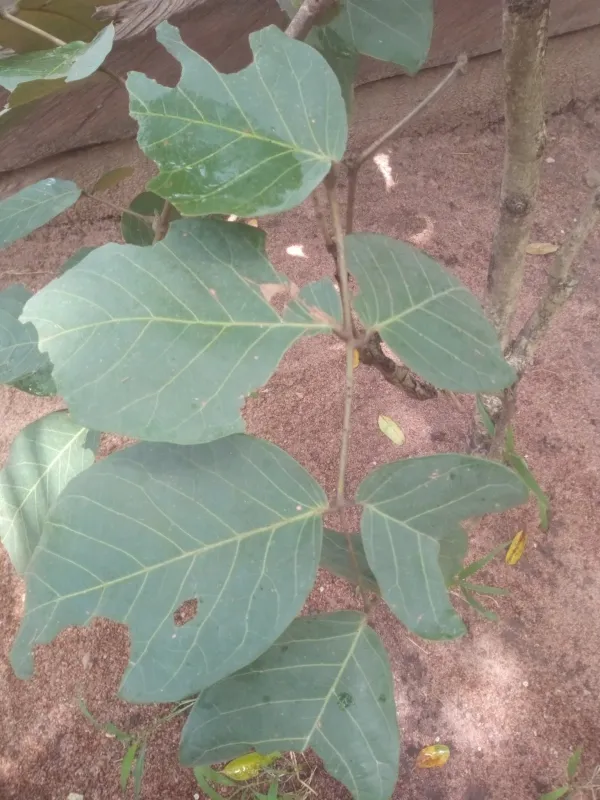
Description
Growing requirements
Isoberlinia tomentosa is a member of the Fabaceae (legume) family. It is a medium to large-sized tree typically found in the savanna woodlands of tropical Africa.
The plant prefers well-drained soils and is commonly seen in sandy or rocky areas. It exhibits significant tolerance to periodic droughts and is well-adapted to seasonal climates.
The tree is sensitive to waterlogging and requires open, sunny locations to thrive. In its natural habitat, it acts as a dominant species in miombo woodland ecosystems.
Cultivation practices for this species are largely restricted to forestry management, as it is considered a forest-forming timber species rather than a traditional agricultural crop.
Propagation is primarily achieved through seeds, which require specific temperature conditions to trigger germination processes in their natural environment.
Yield
The economic utilization of the species centers on the production of high-quality timber, which is highly valued for its durability and resistance to environmental factors.
Isoberlinia wood is frequently utilized in construction, furniture manufacturing, and serves as an important source of high-quality charcoal in its native regions.
The bark and leaves of the tree are traditionally employed by local populations for medicinal purposes, rendering the tree a valuable bioresource for local communities.
Timber yield is directly influenced by stand density and environmental conditions, with the species exhibiting a relatively slow growth rate.
Harvesting practices must adhere to sustainable forest management principles to prevent the degradation of natural woodland areas.