
Isoberlinia doka
Isoberlinia doka
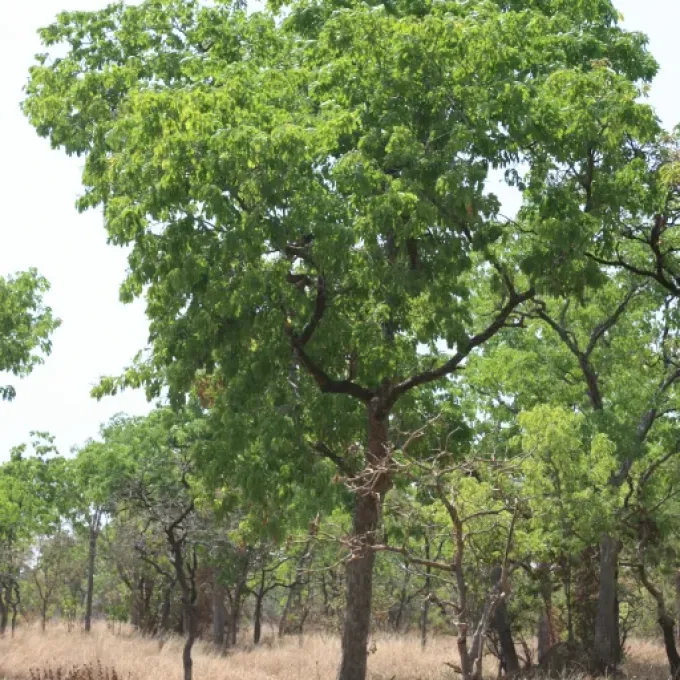
Description
Growing requirements
Isoberlinia doka is a prominent deciduous tree species belonging to the Fabaceae family, commonly found in the Sudanian and Guinean savanna zones of Africa.
This species thrives in areas with a distinct climatic cycle, demonstrating remarkable resilience to prolonged dry seasons and significant heat stress.
The tree prefers well-drained, deep soils, which allow its deep root system to access groundwater and survive periods of moisture deficiency effectively.
In terms of light, it is a heliophytic species, requiring full sun exposure during its development to maintain healthy growth rates and crown density.
Agro-ecological planning for this culture involves careful spacing to facilitate canopy development, as individual trees can reach significant heights.
Harvesting
The primary harvest utility is its timber, which is valued for construction, woodworking, and the production of high-quality charcoal for local energy needs.
Bark collection is managed under traditional practices, often serving medical purposes or as a source of tannins used in various local crafts.
Seed collection is carried out when pods reach maturity, typically at the end of the dry season, to ensure successful germination in nursery environments.
Leaf biomass is often harvested or utilized in situ as fodder for livestock, particularly in regions where grazing resources become scarce during the dry season.
Sustainable harvesting techniques are strictly recommended to prevent overexploitation of natural stands and to ensure long-term regeneration of the population.