
Hedysarum boveanum
Hedysarum boveanum
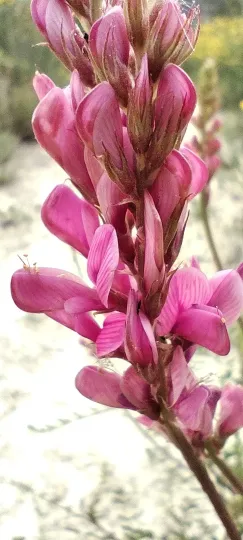
Description
Sowing dates
Hedysarum boveanum is a perennial herbaceous plant belonging to the Fabaceae family, recognized for its potential in sustainable forage production. Sowing should be carried out in early spring, as soon as soil temperatures reach 5-8 degrees Celsius, to ensure optimal moisture utilization for germination.
The recommended seeding method is row planting with 15-20 cm spacing, which allows the crop to establish quickly and outcompete weeds. A seeding rate of 12-15 kg per hectare is generally sufficient, with seeds placed at a depth of 2-3 cm.
Soil preparation is crucial; the field must be leveled and compacted to ensure consistent contact between the seeds and the soil. In arid regions, light rolling after sowing is a standard practice to preserve capillary water in the seedbed.
During the first year, the crop invests significant energy into developing a robust root system, resulting in relatively slow above-ground growth. Effective weed control during this establishment phase is essential for long-term stand success.
The plant is noted for its exceptional winter hardiness and its ability to rapidly regrow following the spring thaw, making it a reliable choice for cold-climate forage production.
Growing requirements
Hedysarum boveanum prefers light, well-drained soils, such as loams or sandy loams, with a neutral to slightly alkaline pH. It is highly intolerant of waterlogged conditions, which can lead to root rot and premature stand thinning.
This species is highly drought-tolerant, thanks to a deep taproot that accesses moisture in lower soil profiles. This resilience makes it an ideal crop for semi-arid environments where other forage legumes might fail to produce consistent yields.
Adequate sunlight is essential for the plant to thrive, accumulate sugars, and ensure proper seed maturity. Excessive shading from weeds or nearby dense vegetation can significantly reduce biomass quality and stand density.
Nutrient management focuses on phosphorous and potassium application, especially during the establishment years, to support root development. Nitrogen application is rarely required, as the plant engages in symbiotic nitrogen fixation through soil rhizobia.
The crop thrives in temperate climates with optimal growth occurring between 18 and 25 degrees Celsius. While it can withstand extreme summer heat, growth rates may stabilize during the hottest periods to conserve plant water.
Yield
The biomass yield of Hedysarum boveanum depends largely on site conditions and management practices. In productive years with adequate moisture, it can generate between 15-20 tonnes of green mass per hectare across two cuts.
Seed production is one of its major economic strengths, with yields ranging from 300 to 600 kg per hectare. The crop maintains high fertility levels, even in fluctuating climate conditions, which benefits both forage and seed farming.
The nutritional profile includes high levels of protein, essential amino acids, and carotene, making it a premium fodder choice. These nutritional values remain intact until the onset of the mass flowering stage, providing high-quality feed for livestock.
Regular spring harrowing is recommended to break up crusts, improve soil aeration, and stimulate new growth from the root crown, thereby increasing overall season biomass production.
By incorporating this plant into diverse forage mixtures, producers can improve the nitrogen balance of the soil and provide a reliable, protein-dense food source for grazing animals.
Main diseases and pests
Hedysarum boveanum typically shows high natural resistance to many common legume diseases. However, in overly wet years, fungal issues like rust or powdery mildew may occur if air circulation within the canopy is poor.
Common pests include root nodule weevils, which damage seedlings, and seed-feeding insects during the flowering stage. Early detection and monitoring are the best strategies for mitigating potential losses.
Phytosanitary management relies primarily on crop rotation and the removal of weed hosts that act as reservoirs for pathogens. Chemical interventions are reserved for high-pressure scenarios where biological or cultural controls are insufficient.
Improper grazing intensity can stress the plant, making it more susceptible to secondary infections and weed competition. Maintaining appropriate rest periods between cuts or grazing cycles is critical for stand health.
A consistent monitoring schedule from seedling emergence to the end of the growth cycle allows for timely intervention, protecting the investment made in the perennial stand.
Harvesting
Forage harvesting should coincide with the peak of the mass flowering phase, ensuring the best balance between biomass quantity and nutritional density. Delaying harvest results in stem lignification and leaf loss, reducing feed value.
Rapid drying is essential during haymaking to preserve vitamins and color. Utilizing modern turning equipment ensures even moisture reduction throughout the forage stack, preventing the growth of molds or spoilage.
Seed harvesting should be performed once the pods turn brown to minimize shattering losses. In dry climates, combining is best conducted during the early morning hours when higher humidity reduces seed pods' brittleness.
Post-harvest conditioning includes thorough cleaning and moisture reduction to 12-14% to ensure the seeds can be stored safely for long periods without loss of viability.
Post-harvest stubble serves as a protective layer, trapping snow and preventing wind erosion during the fall and winter, which preserves soil moisture and protects the crown of the plants.