
Hedysarum carnosum
Hedysarum carnosum
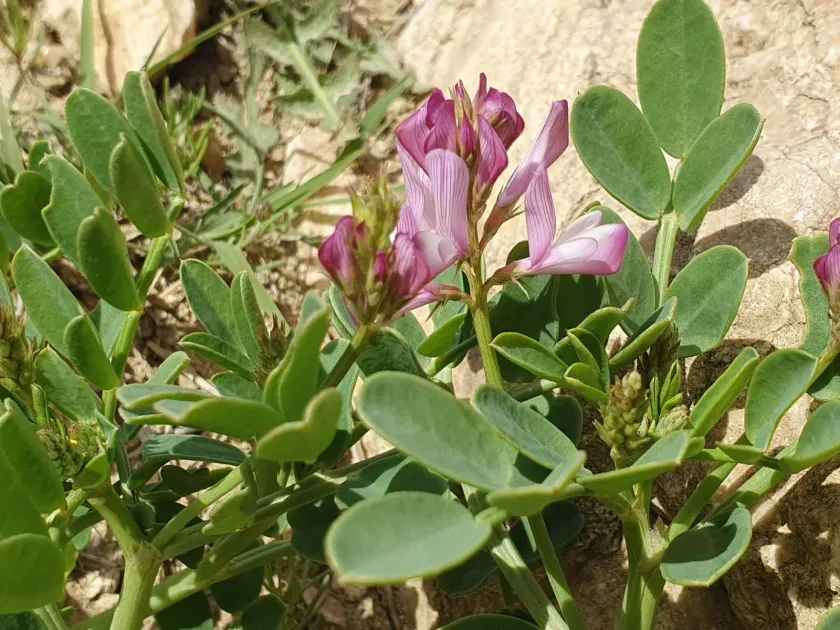
Description
Sowing dates
Sowing of Hedysarum carnosum is primarily carried out in the spring period when the soil warms up to 8–10 degrees Celsius. Optimal timing occurs in early spring, allowing the plant to effectively utilize moisture from melting snow for seed germination.
For high-quality sowing, it is necessary to prepare a fine-cloddy soil structure that ensures good seed-to-soil contact. The seeding depth usually ranges from 2 to 3 centimeters, which is a standard indicator for this legume family.
When using row sowing methods, the row spacing is approximately 15–30 centimeters. This provides optimal stand density, allowing plants to develop without excessive competition for nutrients and light.
In regions with arid climates, sowing can be shifted to late autumn, which ensures seed stratification. This approach contributes to more uniform seedling emergence when favorable temperatures occur in the following season.
Inoculation of seeds with nitrogen-fixing bacteria before sowing is a critical stage of agronomic practice. This significantly increases the early growth energy of young plants and ensures efficient nitrogen uptake from the atmosphere from the very beginning of the vegetation period.
Growing requirements
Hedysarum carnosum is a xerophytic plant adapted to life in conditions of limited moisture. It belongs to the Fabaceae family and demonstrates high resistance to drought periods, maintaining viability under high temperatures.
The crop prefers soils with a light mechanical composition, such as sandy loam or loamy chernozems. An important condition for full growth is good aeration of the root system, which prevents root rot in conditions of excess moisture.
The plant exhibits calciphilic properties, adapting perfectly to soils with high carbonate content. The optimal pH level for this crop ranges from slightly alkaline to neutral, which is typical for its natural distribution area.
The plant is extremely demanding of light and poorly tolerates shading by other tall species. In agrocenoses, it is necessary to ensure conditions that exclude weed suppression of crops during the early stages of plant development.
The crop is capable of withstanding significant temperature fluctuations and is characterized by high winter hardiness. This allows for the cultivation of Hedysarum in regions with harsh winters and late spring frosts without the risk of plantation winterkill.
Yield
The green mass yield of Hedysarum carnosum directly depends on moisture conditions and soil fertility. In favorable years, the crop is capable of forming a tall stand with good leafiness, which is important for the production of quality hay.
Seed productivity usually stabilizes by the second or third year of the plant's life. Uniform ripening of the pods allows for harvesting with minimal losses when using specialized combine machinery.
With intensive care of the crops, significant biomass increase can be achieved through two cuts during the vegetation period. It is important to avoid excessive soil depletion by periodically applying mineral fertilizers, especially phosphorus-potassium compounds.
Hay yield per hectare can vary depending on the cultivation zone. Hedysarum is valued for its high nutritional value, as its leaves contain a significant amount of protein and biologically active substances.
Economic use of the crop is focused on creating long-term pastures. Due to its powerful root system, the plant contributes to soil stabilization and protects areas from erosion processes.
Main diseases and pests
Among the main phytopathological threats to Hedysarum, various types of rust fungi are noted. They affect the leaf plate, which can lead to a decrease in photosynthetic activity and premature wilting of the vegetative part.
Powdery mildew also occurs in conditions of high air humidity. Regular monitoring of crop conditions allows for the timely identification of disease centers and prevents their spread across the entire field area.
Among pests, the greatest danger to the crop is posed by nodule weevils and various species of aphids. They damage young shoots and the root system, thereby reducing the overall vitality of the plant during critical developmental phases.
Root rots can occur with systematic violation of agronomic practices, especially in waterlogged areas. Prevention includes adherence to crop rotation and avoiding monoculture practices on the same plots for an extended period.
Integrated plant protection should include biological control methods and the use of resistant varieties. In cases of critical infestation levels, the use of approved insecticides is permitted in accordance with environmental safety regulations.