
Hedysarum alpinum
Hedysarum alpinum
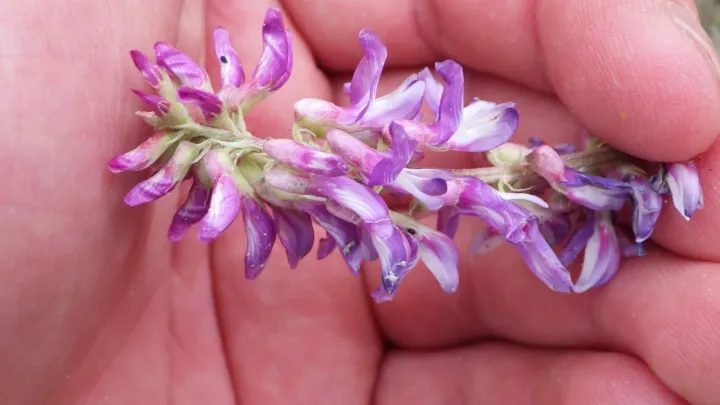
Description
Sowing dates
Hedysarum alpinum, commonly known as alpine sweetvetch, is a resilient perennial legume highly valued for its adaptability in forage production. The optimal sowing time is early spring, once the soil has warmed to at least 5–8 degrees Celsius to encourage initial root development.
Seed preparation is crucial for success, specifically the process of scarification. Since the seeds possess a hard, impermeable coat, this pre-treatment is necessary to break dormancy and ensure high field emergence rates across the entire planting area.
The recommended seeding rate varies from 12 to 15 kg per hectare, depending on soil texture and regional moisture levels. Seeds should be buried at a shallow depth of 2–3 cm, which is sufficient to ensure proper contact with the soil while preventing excessive desiccation.
In modern agricultural practices, this crop is often integrated into multi-species grass mixtures. By combining it with hardy perennial grasses, farmers can create robust pastures that provide balanced nutrition for livestock while significantly improving soil structure through natural nitrogen fixation.
During the first year, establishment can be slow as the plant invests energy into developing a substantial root system. It is essential to maintain weed-free conditions during this phase to ensure that young seedlings are not outcompeted for vital water and nutrients.
Growing requirements
This species is exceptionally well-adapted to varying environments, ranging from alpine slopes to open steppe regions. It thrives in well-drained, sandy-loam or rocky soils, as it is highly sensitive to waterlogged conditions that can lead to root rot.
Regarding soil fertility, the plant is relatively undemanding but achieves peak biomass production on soils with a neutral or slightly alkaline pH. Its symbiotic relationship with nitrogen-fixing bacteria allows it to flourish in nutrient-depleted soils where other crops might fail.
Sunlight is a critical requirement for optimal health. Hedysarum alpinum is a sun-loving plant that does not tolerate shading from taller vegetation, making site selection away from dense brush or tall weed patches an essential step in planning a field.
The plant exhibits remarkable cold hardiness, capable of surviving harsh winters with little to no insulating snow cover. This makes it a top-tier candidate for pasture improvement projects in high-latitude or high-altitude regions with extreme seasonal fluctuations.
Its deep taproot system provides excellent drought tolerance, allowing the plant to reach moisture reserves deep within the soil profile. While it prefers moderate temperatures, it remains productive even during periods of intense summer heat.
Yield
The biomass yield of Hedysarum alpinum depends heavily on local growing conditions, with potential outputs reaching 15–20 tons of green mass per hectare in favorable years. Its leaves are particularly rich in protein, maintaining quality even after the plant enters the flowering stage.
For livestock producers, the crop serves as a superior source of high-quality forage. The consistent nutritional density of the plant enables the creation of nutrient-rich hay and silage, significantly reducing the need for expensive feed supplements.
Seed production is a specialized aspect of its cultivation. Harvesting must be timed carefully as seed pods ripen unevenly; adopting a two-stage harvesting method or using specialized combines can drastically reduce losses caused by pod shattering.
With proper management, seed yields can range from 300 to 500 kg per hectare. High-quality seed production is bolstered by maintaining good plant health and ensuring that soil moisture levels are adequate during the pollination and seed-set phases.
Strategic use of phosphorus and potassium fertilizers can further enhance long-term productivity and stand longevity. When managed as a long-term hay meadow, the crop responds well to targeted nutrient applications, ensuring steady yields over several seasons.
Main diseases and pests
Generally, Hedysarum alpinum exhibits robust natural resistance to most common diseases affecting legumes. However, in regions with high humidity, powdery mildew may appear, necessitating management strategies that improve airflow, such as adjusting planting density.
Insect pests, including weevils and aphids, can cause significant damage to the floral parts and developing seeds. Regular monitoring during the reproductive phase is essential to identify infestations early and prevent economic loss.
Root rots are primarily a risk in fields with poor drainage or compacted soil layers. Ensuring proper field preparation and avoiding heavy machinery use during wet periods helps maintain a healthy root environment and prevents fungal colonization.
Integrated pest management remains the preferred approach to protecting this crop. By maintaining a balance of beneficial insects and utilizing healthy crop rotation cycles, producers can keep pest populations below the threshold that would require chemical intervention.
Preventative measures, such as removing field debris post-harvest, are highly effective in limiting the carry-over of pathogens into the next growing season. A clean field environment is the best defense against long-term disease buildup.
Harvesting
Hay production is best executed during the peak flowering stage to ensure the highest concentration of digestible protein. Rapid drying in the field is necessary to prevent leaf shatter, which is where the bulk of the plant's nutritional value is located.
For silage, the crop should be mowed at the onset of the budding phase. Proper mechanical compaction in silos or bunkers is essential to create the anaerobic conditions required for successful fermentation and long-term feed preservation.
When harvesting for seeds, farmers should look for the characteristic browning of the seed pods. This stage indicates the seeds are sufficiently mature to be threshed, though careful adjustments to the harvester drum are required to minimize physical damage to the seeds.
Post-harvest processing involves thorough cleaning and drying. The seeds must be brought down to a moisture content of 12–14 percent before long-term storage to prevent spoilage and maintain germination potential for future plantings.
Storage should take place in a cool, dry, and well-ventilated area. Properly stored seeds can remain viable for several years, providing the grower with flexibility in planning future crop rotations or pasture improvement projects.