
Hedysarum brigantiacum
Hedysarum brigantiacum
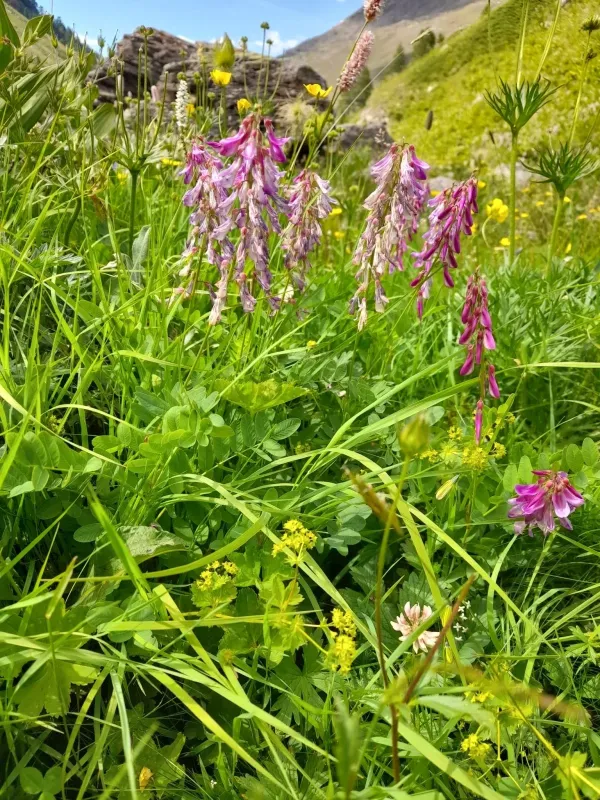
Description
Sowing dates
Sowing Hedysarum brigantiacum is ideally conducted in early spring as soon as the soil temperatures reach 5–8 degrees Celsius. Proper seed-to-soil contact is essential for uniform germination, so the use of agricultural rollers post-sowing is highly recommended.
Given the hard seed coat characteristic of this species, mechanical scarification is often required to enhance germination rates. Sowing depth should be maintained at 2–3 cm, depending on soil moisture levels and soil structure density.
In regions with mild winters, dormant fall sowing can also be successful, provided the soil remains free of excessive moisture that could lead to seed rot. Spring sowing generally offers more predictable outcomes for establishing a healthy stand.
Row planting with spacing of 15–20 cm allows for better weed control during the early development stages. This is crucial because the crop exhibits slow initial growth and is sensitive to competition from aggressive weeds.
Once established, the crop develops a deep root system, making it highly resilient. Initial management focuses on keeping the area clear of invasive plants during the first few months of the plant's life cycle.
Growing requirements
As a member of the Fabaceae family, Hedysarum brigantiacum thrives in well-drained, calcareous soils. It is particularly well-adapted to poor soil conditions where other forage crops struggle to establish themselves effectively.
The plant is known for its remarkable drought tolerance and hardiness. Its deep taproot allows it to access water and minerals from deep soil profiles, making it suitable for areas with low annual precipitation.
Optimal growth is achieved in sunny, open locations with full solar exposure. Adequate light is necessary for robust photosynthesis and the efficient nitrogen-fixing processes associated with root nodules.
Soil fertility requirements are moderate; the plant responds better to phosphorous and potassium amendments than to nitrogen-heavy fertilizers. Its symbiotic relationship with nitrogen-fixing bacteria provides most of its nitrogen needs.
Environmental requirements include a need for good drainage, as waterlogging is detrimental to root health. The plant is naturally adapted to alpine or subalpine environments, meaning it is highly resistant to temperature fluctuations.
Main diseases and pests
Fungal diseases, including anthracnose and various types of rust, pose the most significant threat to the health of the plant, especially in humid conditions. Excessive foliage moisture during flowering often triggers these infections.
Pests such as the pea leaf weevil (Sitona lineatus) can cause significant damage to young foliage and root nodules. Controlling these insects is essential for maintaining the plant's nitrogen-fixing efficiency.
Generative pests, including aphids and thrips, can severely reduce seed production. Monitoring these populations during the budding and flowering phases is critical for successful seed harvesting.
Strict adherence to crop rotation cycles is the primary defense against soil-borne pathogens. Avoid planting this species in fields previously used for other legumes to prevent the accumulation of host-specific diseases.
When chemical interventions are necessary, they should be applied judiciously. However, integrated pest management practices, such as choosing resistant varieties and ensuring proper air circulation within the stand, remain the best approach.