
Hedysarum candidum
Hedysarum candidum
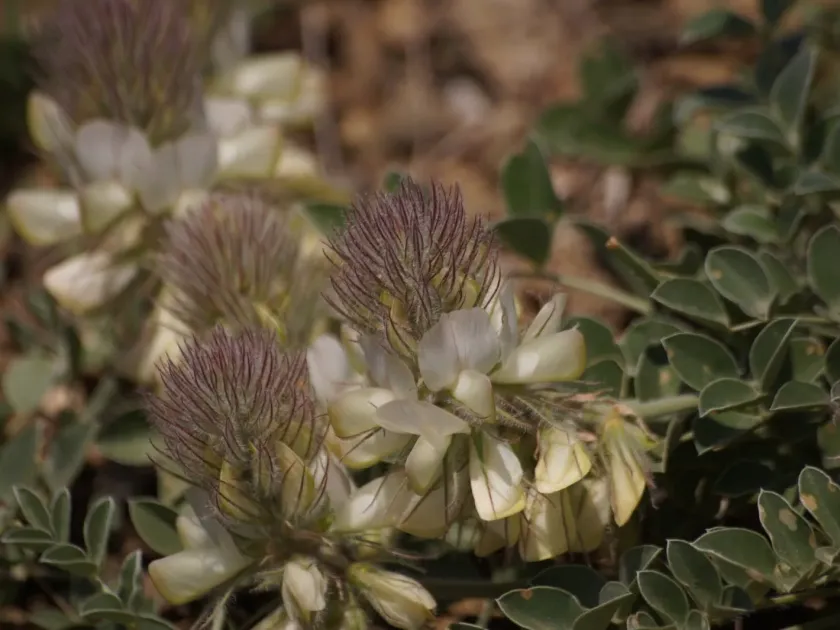
Description
Growing requirements
Hedysarum candidum is a perennial herbaceous plant belonging to the Fabaceae (Legume) family. It serves as a valuable forage crop specifically adapted to diverse environmental conditions.
This species is characterized by high ecological plasticity, originally native to mountain and steppe regions. The plant thrives in well-drained sandy or loamy soils with a neutral or slightly alkaline pH.
For optimal growth, the crop requires a moderately continental climate with sufficient sunlight. It demonstrates significant drought resistance, making it a promising candidate for regions experiencing water scarcity.
Botanically, the plant features a deep taproot system capable of reaching significant depths and dense hair coverage on its stems to retain moisture. The leaves are pinnate, and the flowers are arranged in distinctive racemes.
The agricultural use of this plant includes the production of high-protein hay, the establishment of grazing pastures, and its application as a phytoremediator to stabilize erosion-prone soil slopes.
Main diseases and pests
The primary threats to Hedysarum candidum crops are fungal diseases, such as rust and leaf spots, which occur particularly during periods of high atmospheric humidity in the summer.
Among pests, the most significant damage is caused by nodule weevils that attack the root system, thereby reducing the plant's capacity for atmospheric nitrogen fixation.
Infestations of leaf rollers and aphids are also possible; these pests feed on the sap of young shoots, weakening the plant's natural defenses during the active vegetative growth phase.
To prevent the spread of infections, it is essential to maintain proper crop rotation and avoid overcrowded stands to ensure adequate air circulation throughout the foliage.
In cases of significant pest pressure or signs of disease, authorized insecticides and fungicides should be applied in strict accordance with safety and environmental regulations.