
Cockspur coral tree
Erythrina crista-galli L.
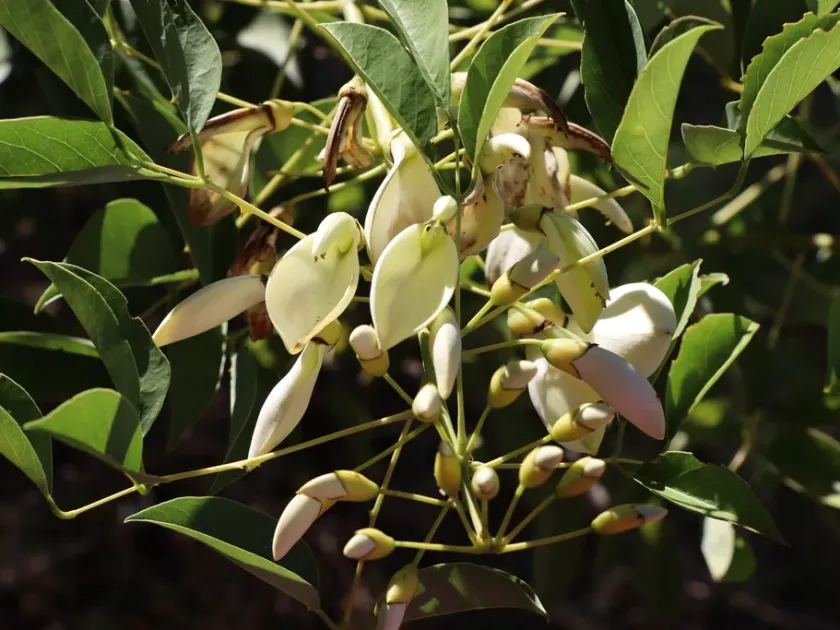
Description
Growing requirements
The Cockspur coral tree (Erythrina crista-galli) is a member of the Fabaceae family, native to the wetlands of South America. It is widely recognized for its vibrant, crimson-colored flowers that resemble a rooster's crest, serving as a distinct botanical landmark.
Agronomically, this species thrives in full sun exposure. It requires a warm climate for optimal growth and cannot tolerate severe frost; therefore, in temperate regions, it is predominantly maintained as a container plant moved indoors during winter months.
Soil requirements for the Cockspur coral tree include well-draining, nutrient-rich substrates. While it originates from wetland areas, cultivated specimens require a balanced watering regime, ensuring that moisture is present but avoiding waterlogged soil which leads to root suffocation.
Management techniques involve annual pruning performed in late winter. This is critical for encouraging new growth on which the flowers develop, as well as for maintaining a desirable architectural shape for the shrub or small tree.
Economically, the Cockspur coral tree is primarily utilized as an ornamental plant in public landscaping and private gardens. Its capacity to fix nitrogen from the atmosphere adds ecological value to the soil, supporting its utility in horticultural applications.
Main diseases and pests
Common pests affecting the Cockspur coral tree include aphids, which colonize young, succulent leaves and flowers, causing distortion and reduction in plant vigor.
Spider mites represent a significant threat in indoor environments or dry conditions, necessitating regular misting or treatment with appropriate acaricides to prevent leaf damage.
Root rot is the most common physiological disorder caused by overwatering or poor drainage systems. It can quickly destroy the root system if not addressed with improved aeration.
Fungal leaf spots may occur under conditions of high humidity and poor ventilation. Keeping the plant in a well-ventilated area is essential for preventing these fungal pathogens.
Effective pest and disease management includes monitoring foliage for early signs of infestation and applying sustainable integrated pest management practices to maintain the plant's health.